Planting
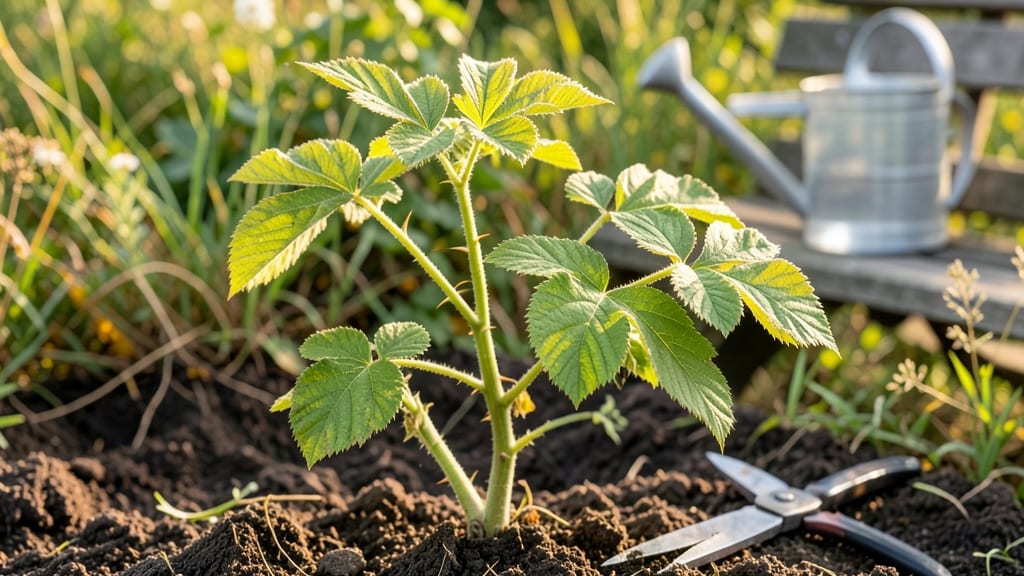
Starting a raspberry plant sprout from seed demands a two-phase process: first, cold stratification for 60-90 days to break seed dormancy, then planting in well-draining soil kept at 60-70°F. Germination success hovers around 10-30% due to the seeds' slow emergence (3-4 weeks), but fresh seeds and a heat mat can improve your odds.
Raspberry seeds need this cold treatment to mimic winter conditions, which triggers internal hormonal shifts that wake them from dormancy. 🌱 Without stratification, most seeds simply won't sprout—it's like trying to force a plant to grow before it's ready.
I've found that mixing seeds with damp sand or peat moss in a sealed container works best, keeping them consistently at 34-40°F during this period. Once stratified, these tiny sprouts are delicate, so maintaining 60-70°F soil temperatures becomes critical for their first few weeks of life.
The real challenge comes when you finally plant them—raspberry sprouts are notoriously slow starters, often taking 3-4 weeks just to crack through the soil. That's why I recommend using a heat mat underneath your seedling trays; it gives those little roots the gentle warmth they need to push upward faster.
And here's a pro tip: if you're impatient, try soaking your stratified seeds in warm water for 24 hours before planting—it can shave off a few precious days of waiting.
💡 In This Article
- Cold Stratification for Raspberry Seed Germination
- Optimal Soil and Light Conditions for Raspberry Sprouts
Cold stratification for raspberry seed germination
Cold stratification mimics the natural winter dormancy period that raspberry seeds experience in their native habitats. This process triggers a hormonal shift within the seed—specifically, an increase in gibberellins, plant hormones that signal growth, while reducing the effects of abscisic acid, which suppresses germination.
Without this cold treatment, most raspberry seeds remain dormant indefinitely, as their hard outer coats prevent water absorption. Think of it like waking a hibernating animal: the cold period prepares the seed for spring growth. 🌱
The most effective method involves mixing seeds with a moistened medium like coarse sand or peat moss (maintain 50% moisture by weight) and storing them in a sealed container. Place this setup in a refrigerator where temperatures hover between 34-40°F—this range simulates the chilling zone where raspberries naturally grow.
For 60-90 days, check monthly to ensure no mold develops (discard any containers that smell musty). This cold exposure breaks down seed coat inhibitors and allows water to penetrate, priming the embryo for germination.
What most gardeners don't realize is that temperature consistency matters more than duration. Fluctuations above 45°F can trigger premature germination while still in cold storage, which often leads to seed death.
I've found that using a seed stratification mat (available for $20-$30) provides more stable conditions than a standard fridge. These mats maintain precise temperatures and can even include humidity controls—critical since raspberry seeds need 80-90% relative humidity during stratification.
Once stratified, seeds should be planted in well-draining soil at 60-70°F to prevent rot. The reason for this warmth is that raspberry sprouts require active root growth before emerging, and cooler soil slows this process.
Here's a visual comparison: non-stratified seeds may sit for months without sprouting, while properly treated seeds show radicle emergence (root growth) within 7-14 days after planting. This is why patience during the cold period pays off—it's the difference between waiting years versus weeks for your first green shoot. ✨
For those in warmer climates, an alternative is to plant stratified seeds outdoors in late fall (when soil temps naturally drop) and let winter handle the stratification.
This "natural stratification" method works but requires precise timing—plant too early and seeds may germinate before winter sets in; too late and they won't get enough cold exposure. The key measurement here is 120-150 chilling hours below 40°F, which is what triggers the hormonal changes needed for germination.
One advanced technique worth trying is stratification with a growth regulator. Some gardeners soak seeds in a 100 ppm GA3 (gibberellic acid) solution for 12 hours before cold treatment.
This synthetic gibberellin mimics the natural hormone increase during stratification, potentially boosting germination rates by 10-15%. However, this method requires careful handling—over-soaking can damage delicate seed embryos. 💫
Remember that raspberry seed germination is a numbers game. Even with perfect stratification, expect only 10-30% of seeds to sprout. That's why I recommend planting 20-30 seeds per container—it gives you a better chance of getting viable plants.
The payoff comes when those first true leaves appear, signaling you've successfully broken through the dormancy barrier that nature designed to protect these tiny powerhouses.