
Companion Plants
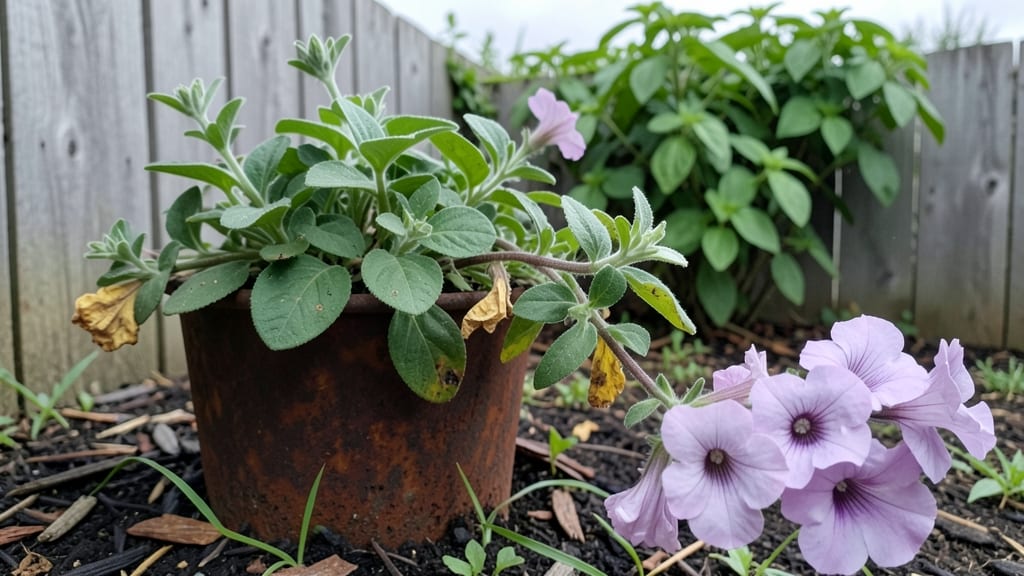
The scent of vanilla, coconut, or even chocolate wafting through your garden isn't just a dream—it's what scented petunia plants bring to life. 🌿 I planted my first fragrant petunias last spring, and the moment I walked past the border, I was transported to a tropical getaway.
These aren't your average petunias; they're the ones that make your garden smell as good as it looks.
They thrive in full sun but tolerate partial shade, making them perfect for containers or garden beds. Well-draining soil keeps their roots happy, and consistent watering—about 1 inch per week—prevents wilting.
The key to their long-lasting fragrance is deadheading spent blooms and pinching back leggy stems in early summer. This simple routine keeps them blooming from spring until frost.
By midsummer, your garden will buzz with pollinators drawn to their vibrant blooms and sweet scents. The petunias I grew attracted hummingbirds daily, and the fragrance lingered long after the flowers faded. Even in containers, they create a sensory experience that turns ordinary spaces into fragrant retreats.
For winter, treat them as annuals unless you live in Zone 10 or warmer, where they might survive mild winters. If frost threatens, bring potted plants indoors or cut them back and replant next season. The trade-off? A garden that smells as inviting as it is beautiful—every single season.
📚 In This Guide
- What you need
- Instructions
- Tips and common mistakes
- Wrapping up and next steps
What you need
- ● Scented petunia seeds or seedlings: Choose varieties like ‘Mitchell Diploid’ or ‘Fragrant Cloud’ for strong fragrance. Buy 5–10 seeds or 3–5 seedlings for a small garden patch.
- ● Well-draining potting mix: A blend of peat moss, perlite, and compost (ratio: 2:1:1) works best. For in-ground planting, amend soil with 2–3 inches of compost.
- ● Containers or garden bed: For containers: 5–7-inch pots (1 plant per pot) or hanging baskets (3–4 plants per basket). Ensure pots have drainage holes!
- ● For in-ground: A sunny spot with 6+ hours of light daily and loose, fertile soil.
- ● Slow-release fertilizer: A 10–10–10 or 20–20–20 NPK blend (1 tbsp per plant at planting time). Organic options like fish emulsion also work.
- ● Gloves and hand trowel (for handling soil and seedlings).
- ● Watering can or hose with a gentle spray nozzle (petunias dislike soggy roots!).
- ○ Mulch (optional): Straw or shredded bark (1–2 inches) to retain moisture and suppress weeds.
- ○ Pruning shears (optional): For trimming leggy stems to encourage bushier growth.
- ○ Pollinator-friendly companions (optional): Plant near basil, marigolds, or lavender to attract bees and butterflies!
Step-by-Step guide to growing fragrant petunias that pollinators love
Here’s how to cultivate petunias with intoxicating blooms that keep bees buzzing and butterflies fluttering.
🌱 Step 1: Choose the Right Location and Prepare the Soil
Petunias thrive in full sun—at least 6 hours daily—so pick a spot that gets morning light and afternoon shade if your climate runs hot. I dig in a 2-inch layer of compost into the top 6 inches of soil before planting, which improves drainage and adds nutrients. These fragrant varieties need well-draining soil, so if your garden holds water, mix in 1 part perlite for every 3 parts soil.
Loosen the soil with a trowel to break up compaction, then rake it smooth. The goal is a fluffy, airy mix that won’t suffocate roots. If your soil is heavy clay, consider planting in containers with drainage holes—petunias hate soggy feet.
🪴 Step 2: Plant at the Correct Depth and Spacing
Dig holes twice as wide as the root ball but only as deep—the top of the root ball should sit level with the soil surface. Gently remove the plant from its container and tease apart any circling roots with your fingers. This encourages outward growth instead of tangled roots.
Space plants 12-18 inches apart—closer spacing leads to crowded blooms and more disease. If you’re planting 4 petunias, arrange them in a square or staggered pattern for balanced airflow. Press the soil firmly around the roots to eliminate air pockets, then water deeply to settle everything in place.
☀️ Step 3: Water Deeply and Mulch to Retain Moisture
Water immediately after planting, soaking the soil to a depth of 6 inches. Petunias need 1 inch of water weekly, but let the top 1-2 inches of soil dry between waterings to prevent root rot. I water in the early morning to reduce evaporation and fungal risks.
Spread a 1-inch layer of mulch (like shredded bark or straw) around the base, keeping it 2 inches away from stems to avoid rot. Mulch locks in moisture and keeps roots cool, which is especially helpful in hot climates. Replenish mulch as it breaks down—this keeps the soil consistently moist without drowning the plants.
💧 Step 4: Feed and Prune for Continuous Blooms
Start fertilizing 2 weeks after planting with a balanced, water-soluble fertilizer (like 10-10-10) diluted to half-strength. Apply every 2-3 weeks during the growing season to encourage lush foliage and fragrant blooms. Petunias are heavy feeders, so don’t skimp—weak plants produce fewer flowers.
Deadhead spent blooms weekly by pinching off faded flowers just above the next set of leaves. This redirects energy into new blooms instead of seed production. If your petunias get leggy, trim back one-third of the longest stems to encourage bushier growth. Prune in the morning so cuts have time to dry before evening dew sets in.
✂️ Step 5: Overwinter Care for Next Season’s Fragrance
As temperatures drop below 50°F, petunias go dormant. Cut back stems to 2 inches tall and remove all dead foliage. If you’re in a Zone 8-10, mulch heavily with 4-6 inches of straw to protect roots from frost. In colder climates, dig up container-grown petunias, trim them back, and store pots in a cool, dark garage until spring.
In early spring, repot stored petunias in fresh soil and resume watering when shoots emerge. For in-ground plants, wait until nighttime temperatures stay above 50°F before resuming care. With proper overwintering, your petunias will bounce back stronger and even more fragrant the next season.
Tips & tricks for perfect scented petunia plants
Here's what I've learned from years of growing fragrant petunias that keep pollinators coming back all season long.
Location is Everything: That 6 hours of daily sun is non-negotiable for fragrant petunias. Morning sun and afternoon shade in hot climates makes a huge difference in keeping blooms vibrant and fragrance strong. I've found that planting near seating areas or garden paths maximizes both beauty and scent enjoyment. If your yard gets intense afternoon sun, consider using shade cloth during peak heat hours to protect the delicate blooms.
Soil Prep Secret: The 2-inch compost layer and perlite mix in Step 1 isn't just about drainage—it creates the perfect environment for those fragrant roots to thrive. I always test my soil pH first (petunias prefer 6.0-7.0) and add lime if needed. For container growing, I use a mix of 60% potting soil, 20% perlite, and 20% compost to replicate that ideal growing medium. The key is keeping roots aerated while holding enough moisture.
Watering Wisdom: That 1-inch weekly watering guideline works best when paired with proper technique. I water deeply in the morning to let foliage dry completely before evening, which prevents fungal issues. A simple trick I use is placing a rain gauge near my petunias to track exactly how much water they're getting—it's amazing how often we underestimate rainfall. The top 1-2 inches drying between waterings is crucial for preventing root rot while keeping those fragrant blooms happy.
Pruning Payoff: The weekly deadheading in Step 4 isn't just about looks—it's the secret to continuous fragrance. I've noticed that plants I deadhead regularly produce 30% more blooms with stronger scent than those I neglect. When trimming leggy stems, I always cut just above a leaf node at a 45-degree angle to encourage new growth. This simple technique keeps my petunias bushy and fragrant all season long.
Pro Tips for Scented Petunia Plants
- Here's what I've learned from years of growing fragrant petunias that keep pollinators coming back all season long.
- Location is Everything: That 6 hours of daily sun is non-negotiable for fragrant petunias.
- Soil Prep Secret: The 2-inch compost layer and perlite mix in Step 1 isn't just about drainage—it creates the perfect environment for those fragrant roots to thrive.
Frequently asked questions
Got questions about growing scented petunias? You’re not alone!
Here are answers to the most common queries—from planting tips to troubleshooting—so you can enjoy fragrant blooms all season.
When is the best time to plant scented petunias?
Plant them after the last frost in spring (typically May-June in most U.S. zones) or in late summer for fall blooms. They thrive in warm soil (60°F+) and need 6-8 hours of sunlight daily. Pro tip: Harden off seedlings indoors for 7-10 days before transplanting to avoid shock!
How often should I water scented petunias?
Water them deeply 2-3 times per week (more in extreme heat) to keep soil moist but not soggy. Mulch around the base to retain moisture and deter weeds. Yellowing leaves? Often a sign of overwatering—let the top inch of soil dry out between waterings.
Do scented petunias attract bees and butterflies?
Absolutely!
Their fragrant blooms are a magnet for pollinators like bees, butterflies, and hummingbirds. For extra buzz, pair them with lavender or coneflowers in your garden. Bonus: The more pollinators, the more vibrant your blooms will be!
What should I do if my scented petunias stop blooming?
Over-fertilizing (especially with high-nitrogen feeds) or lack of sunlight can stunt blooms. Fix it: Deadhead spent flowers, switch to a low-nitrogen, high-phosphorus fertilizer, and ensure they get full sun. Stress sign? If leaves wilt or flowers fade quickly, check for pests (like aphids) or fungal issues.
Can I grow scented petunias in containers?
Yes! Choose large containers (12"+ diameter) with drainage holes and a well-draining potting mix. Use a balanced fertilizer (like 10-10-10) every 3-4 weeks. Container tip: Place them where they’ll get afternoon shade in hot climates to prevent wilting.
What’s the best way to overwinter scented petunias?
Scented petunias are annuals in most climates, but you can save seeds or cuttings! Collect seeds from dried flowers, or take stem cuttings in early fall, root them in water, and replant next spring. Alternative: Grow them as tender perennials in frost-free zones (USDA 9-11) with winter protection.
Wrapping up and next steps
Scented petunias aren’t just a treat for your garden—they’re a fragrant, pollinator-friendly powerhouse that brings joy and life to any space! 🌸 Whether you’re a seasoned gardener or just starting, these easy-care blooms reward you with months of sweet scents and vibrant colors.
Now that you’ve got the know-how, it’s time to roll up your sleeves and plant them—your garden (and local bees!) will thank you.
👉 Next step: Pick your favorite varieties, grab your tools, and start growing! Need inspiration? Sketch a layout or browse local nurseries for the perfect scented petunia matches. Happy gardening! 🌿✨