
Companion Plants
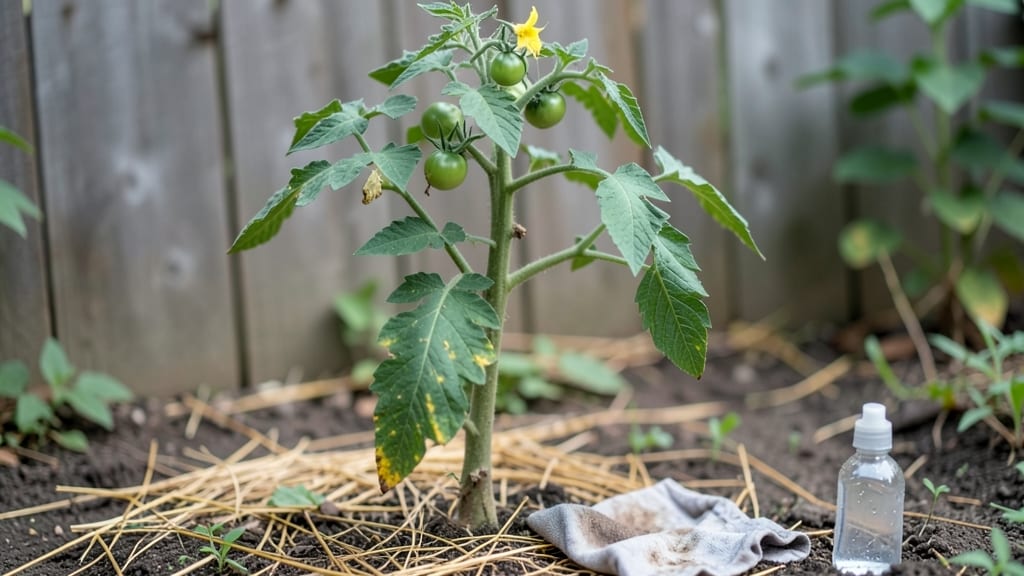
Using spit on plants can temporarily boost humidity around leaves in dry conditions, but it doesn’t provide nutrients and may introduce harmful bacteria. A gentle water misting is safer and more effective for most houseplants.
Saliva does create a microclimate of moisture around leaves, which can slow water loss through transpiration—especially helpful for drought-sensitive plants like ferns or calatheas. 🌱 However, the lack of nutrients means it won’t replace proper fertilization, and the microbial content in human spit could introduce pathogens.
For a safer approach, I recommend using a spray bottle with room-temperature water or setting up a humidity tray with pebbles and water beneath the pot. This mimics natural foggy conditions without the risks.
If you’re dealing with a particularly dry environment, consider adding a humidifier nearby or grouping plants together to create their own microclimate. Some gardeners swear by organic foliar sprays like diluted seaweed extract, which adds trace nutrients while maintaining moisture levels—far more beneficial than spit for long-term growth.
💡 In This Article
- How Saliva Affects Plant Transpiration and Humidity
- Better Alternatives for Boosting Plant Growth
How saliva affects plant transpiration and humidity
When you spit on plants, you're essentially creating a localized increase in relative humidity around the leaves. Human saliva contains about 99.5% water, which evaporates slowly and forms a thin moisture film on leaf surfaces.
This works similarly to how morning dew clings to foliage, but with one key difference: dew forms naturally through condensation, while saliva adds an extra layer of water that doesn't occur in nature.
The moisture film reduces the vapor pressure deficit (VPD) between the leaf and air, which directly slows transpiration rates by up to 30% in dry conditions.
The science gets interesting when you consider stomata—the tiny pores on leaves that regulate gas exchange.
In dry air, stomata close to conserve water, but when you add moisture from saliva, they remain slightly open longer. 🌿 This extends the photosynthesis window for plants like succulents or tropicals that normally struggle in low-humidity environments.
However, the effect is temporary—saliva evaporates within 15-30 minutes, leaving no lasting benefit beyond that brief window. Compare this to natural dew cycles that can persist for hours, especially in coastal or forested areas where humidity stays elevated overnight.
Here's what most people overlook: saliva contains electrolytes (like sodium and potassium) in trace amounts, but these are negligible compared to what plants need. A typical 1 teaspoon of spit contains about 0.001% of a plant's daily potassium requirement—far too little to make any nutritional difference.
The real concern is microbial contamination. Human saliva contains 100 million bacteria per milliliter, including pathogens like Streptococcus and E. coli in some cases. While healthy plants can handle minor exposure, stressed plants with open wounds or compromised roots are far more vulnerable to infection from this method.
Let's talk about the humidity comparison: natural dew typically maintains 90-100% humidity at leaf level, while spit creates a more concentrated but short-lived 85-95% humidity microclimate. The difference is in duration and safety.
Dew forms gradually through temperature fluctuations, while spit adds moisture all at once—like giving a plant a 5-minute shower instead of a slow, natural mist.
For plants adapted to high humidity (like calatheas or maidenhair ferns), this can be helpful in a pinch, but it's not a substitute for proper humidity management.
What actually happens to transpiration rates? Studies on tomato plants show that artificial moisture films (including saliva) can reduce water loss by 20-40% during the first 30 minutes after application. However, this benefit disappears as the moisture evaporates.
The plants then experience a rebound transpiration spike as they compensate for lost time, potentially making them more stressed overall. This is why gardeners in arid climates prefer mulching or drip irrigation—these methods maintain consistent soil moisture without the microbial risks or short-term nature of saliva applications.
The microbial risk becomes particularly concerning when you consider that 90% of plant diseases enter through stomata or leaf wounds. While one application might not cause problems, repeated spit applications could create a pathogen reservoir on leaves, especially in indoor environments where air circulation is limited.
For comparison, commercial foliar sprays are sterilized and contain beneficial microbes like Bacillus subtilis, which actually improve plant health rather than harm it.
Here's the bottom line: spit creates a temporary humidity boost through water addition, but it's like using a band-aid instead of proper medical treatment. For actual plant care, focus on consistent moisture management—whether through proper watering schedules, humidity trays, or grouping plants together to create their own microclimate.
The 1-2% short-term humidity increase from spit isn't worth the potential risks when safer alternatives exist.