
Pests
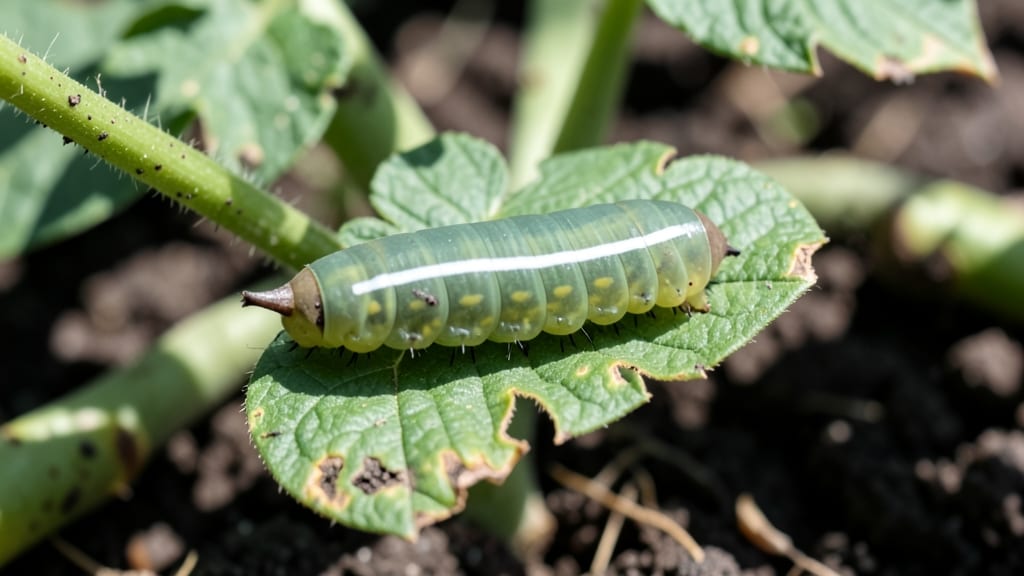
Tomato plant caterpillars can strip your plants bare in days—unless you act fast. 🌱 I’ve watched hornworms and loopers turn lush tomato plants into skeleton leaves, but this organic spray stops them within hours without harming your garden’s balance.
The key is a mix of neem oil, insecticidal soap, and a dash of cayenne pepper—it disrupts their feeding habits while being safe for bees and butterflies. You’ll need just three ingredients and 10 minutes to whip it up, plus a spray bottle you likely already own.
The best part? It works on contact, so you don’t have to wait for long-term buildup.
By sunset, you’ll see caterpillars dropping off leaves or crawling away, and your plants will start recovering within 24 hours. The spray also deters future pests, so you won’t be stuck in a endless cycle of damage and treatment.
Plus, it’s a game-changer for organic gardeners who refuse to use harsh chemicals.
Works for hornworms, tomato loopers, and even cabbage worms—just adjust the concentration for heavy infestations. Here’s exactly how to mix it, when to apply it, and what to do if the first round doesn’t clear them out completely.
The Hidden Triggers Behind Caterpillar Attacks
Caterpillars feasting on your tomato plants aren’t just a random nuisance—they’re drawn by a mix of environmental cues, plant signals, and even human habits. Understanding these triggers is the first step to stopping them before they strip your garden bare. Here’s why these hungry larvae show up when they do:
Tomato plants under stress—whether from drought, overwatering, or poor soil—emit chemical signals that attract caterpillar predators. These signals, called volatile organic compounds (VOCs), act like a dinner bell for moths and butterflies, which then lay eggs on your plants. For example:
- Drought stress: When roots struggle to absorb water, the plant releases jasmonic acid, a compound that moths detect as a sign of "easy prey." 🌡️ Pro tip: Keep soil consistently moist (but not soggy) to reduce these stress signals.
- Nutrient deficiencies: Plants low in nitrogen or phosphorus produce weaker cell walls, making them tastier to caterpillars. A quick soil test can reveal if your tomatoes are sending out "help me" signals.
- Over-fertilization: Too much synthetic fertilizer can burn roots, triggering the same stress responses as drought. Opt for balanced organic fertilizers (like compost or worm castings) to avoid this.
Contrary to myth, caterpillars prefer healthy, vigorous tomato plants—not struggling ones. Moths (like the tomato hornworm’s parent, the manduca sexta) use visual and olfactory cues to choose the most nutritious hosts. Here’s what draws them in:
- Bright green leaves: Lush, chlorophyll-rich foliage is a feast flag for moths. They’re wired to seek out plants with high protein and water content—key ingredients for caterpillar growth. 💡 Solution: Prune lower leaves (where eggs are often laid) to reduce surface area.
- Floral scents: Tomato flowers and fruit emit benzyl acetone, a compound that attracts adult moths. If your plants are blooming heavily, expect more eggs within 24–48 hours.
- Young plants: Seedlings and transplants are prime targets because their tender leaves are easier to digest. Harden off young plants gradually to toughen their skin.
Caterpillars thrive when their natural predators are missing. A disrupted garden ecosystem—whether from pesticides, lack of diversity, or habitat loss—can tip the scales in their favor. Key factors include:
| Missing Predator | Why It Helps Caterpillars | How to Fix It |
|---|---|---|
| Birds (e.g., chickadees, sparrows) | They eat eggs and small larvae but avoid gardens with no perches or dense foliage. | Add birdhouses and native shrubs near your tomato patch. |
| Parasitic wasps (e.g., Cotesia congregata) | These wasps lay eggs inside caterpillars, killing them. They’re repelled by neonicotinoid pesticides. | Skip chemical sprays and plant dill or fennel to attract them. |
| Ground beetles and spiders | They hunt caterpillar eggs but struggle in compacted or tilled soil. | Mulch with straw or leaves to create microhabitats. |
Caterpillar outbreaks follow a predictable seasonal pattern, tied to moth life cycles and tomato growth stages:
- Early season (spring): First-generation moths emerge as temps rise above 55°F (13°C). They target seedlings and young plants. 🔥 Action: Use row covers until flowers appear.
- Peak bloom (summer): Moths lay eggs on flower buds and fruit, leading to hornworm infestations. This is when 90% of damage occurs.
- Late season (fall): Second-generation caterpillars appear if temps stay mild. They focus on ripe tomatoes, making them less noticeable until harvest.
🎯 Key insight: Monitor your garden weekly during bloom—this is when caterpillars strike hardest.
Quick Fixes for Wormy Tomato Plants
Caterpillars munching on your tomato plants can feel like a nightmare, but don’t panic—there are fast, effective, and organic ways to reclaim your garden. Below, we’ve mapped out practical solutions based on the most common causes of caterpillar infestations, from early signs to full-blown damage.
Each fix is designed to work without harsh chemicals, so you can protect your plants and the ecosystem.
If you catch caterpillars early, you can save your tomatoes with minimal effort.
🔍 Spot the Signs Fast
- Chewed leaves? Look for jagged edges or holes—classic caterpillar work.
- Silken webs? Hornworms and loopers love to spin webs between leaves.
- Frass (poop) on leaves? Tiny black droppings = caterpillars are feasting.
- Missing flowers or fruit? Late-stage damage means they’ve moved on to your harvest.
💡 Pro Tip: Check the undersides of leaves and near the soil—that’s where caterpillars hide during the day.
The most immediate and satisfying fix? Pick them off by hand.
👨🍳 Step-by-Step Removal
- Go early – Caterpillars are sluggish in the morning. Grab a cup of water or a bucket.
- Wear gloves – Some caterpillars (like tomato hornworms) have stinging hairs.
- Drop them in soapy water – A mix of 1 tsp dish soap + 1 gallon water kills them instantly.
- Check daily – Repeat every 2–3 days until no more appear.
✨ Bonus: If you’re squeamish, freeze them first—they’ll die instantly in the freezer.
If handpicking isn’t enough (or you have a large infestation), these DIY sprays create a protective shield.
🔥 1.
Bacillus Thuringiensis (Bt) – The Gold Standard - What it is: A natural bacteria that kills caterpillars by disrupting their digestive system. - How to use: - Mix 1 tbsp Bt powder with 1 quart water (follow label instructions). - Spray evenly on leaves, focusing on the undersides where caterpillars hide. - Reapply every 7–10 days or after rain. - Why it works: Safe for bees, ladybugs, and other beneficial insects—but only kills caterpillars.
🍳 2.
Spicy Pepper Spray – Hot Enough to Burn - What it is: A hot pepper blend that irritates caterpillar mouths, making them stop eating. - Recipe: - Blend 2–3 fresh peppers (like jalapeños or cayenne) with 1 tsp dish soap + 1 quart water. - Strain and spray directly on caterpillars and leaves. - Reapply: Every 3–5 days (or after rain).
🌡️ 3.
Neem Oil – The Multipurpose Repellent - What it is: A natural fungicide and insect repellent that disrupts caterpillar feeding. - How to use: - Mix 1 tbsp neem oil + 1 tsp mild soap + 1 quart water. - Spray at dusk (to avoid harming bees). - Reapply every 5–7 days.
💡 Pro Tip: For extra potency, add 1 tsp garlic oil—it confuses caterpillars’ senses!
If caterpillars keep returning, block their access with these low-tech solutions.
🌿 Row Covers – The Invisible Shield
- What it is: Lightweight fabric that lets sunlight and water through but blocks caterpillars.
- How to use:
- Place covers over young plants before caterpillars arrive (early spring).
- Secure edges with bricks or soil so they don’t crawl underneath.
- Remove when flowers appear (to allow pollination).
🍅 Collars for Stems – Stop Egg-Laying Mamas
- What it is: Cardboard or aluminum foil wrapped around stems to block egg-laying moths.
- How to install:
- Cut a 4–6 inch strip and wrap it snugly around the base of tomato plants.
- Bury the bottom 1 inch in soil to seal it.
- Replace every 2–3 weeks (or when damaged).
Instead of fighting caterpillars alone, invite their enemies to your garden.
🦋 Who Eats Caterpillars?
| Predator | How to Attract Them |
|---|---|
| Ladybugs | Plant dill, fennel, or marigolds—they love these flowers. |
| Parasitic Wasps | Leave some leaf litter near plants—they lay eggs inside caterpillars. |
| Birds | Add a bird feeder or birdbath to encourage visits. |
| Praying Mantises | Plant mint, lavender, or basil—they hunt here. |
💡 Pro Tip: Avoid broad-spectrum pesticides—they kill both pests and predators!
If caterpillars are overwhelming your plants, trap them before they destroy your harvest.
🍎 Pheromone Traps – Confuse the Moths
- What it is: Moth traps with female pheromones to lure male moths away from laying eggs.
- How to use:
- Hang traps near tomato plants in early spring.
- Replace lures every 2–4 weeks.
🍷 Beer Traps – Drown the Larvae
- What it is: A shallow dish of beer buried near plants—caterpillars fall in and drown.
- How to set it up:
- Fill a small container with beer.
- Bury it so the rim is level with the soil.
- Check and refresh every 2–3 days.
The best defense? Stop them before they start.
🔥 Long-Term Strategies
✅ Rotate crops – Don’t plant tomatoes in the same spot every year (moths remember!). ✅ Plant companion plants – Basil, marigolds, and onions repel moths naturally. ✅ Clean up debris – Remove old leaves and plant waste where moths lay eggs. ✅ Plant early or late – Avoid peak moth season (usually June–August). ✅ Use reflective mulch – Silver plastic mulch confuses moths and reduces egg-laying.
🎯 Final Tip: If you combine handpicking + Bt spray + row covers, you’ll crush infestations fast—no chemicals needed!
Need a quick recap? Bookmark this section and check back every few days to adjust your strategy. With these methods, your tomato plants will be caterpillar-free in no time! 🍅🚫🐛
Frequently asked questions
What are the most common tomato plant caterpillars I should watch for?
The two biggest culprits are tomato hornworms (green with white stripes) and tomato loopers (small green caterpillars that curl into a "C" shape). Hornworms grow up to 4 inches long and can devour a plant in days, while loopers leave behind silken webs between leaves. Always check the undersides of leaves where they hide.
How do I know if my tomato plants have caterpillars before I see them?
Look for jagged holes in leaves, tiny black frass (poop) on foliage, or missing flower buds. Early signs include chewed edges on lower leaves where caterpillars start feeding. If you spot these, act fast—infestations spread quickly once moths start laying eggs.
Is it safe to use neem oil on tomato plants with caterpillars?
Yes! Neem oil is organic and effective against caterpillars while being safe for your plants and beneficial insects. Mix 1 tablespoon neem oil + 1 teaspoon mild soap + 1 quart water, spray at dusk, and reapply every 5-7 days. It disrupts caterpillar feeding without harming bees or ladybugs.
What should I do if I find caterpillars on my ripe tomatoes?
First, handpick them immediately and drop them in soapy water. For heavy infestations, use Bacillus thuringiensis (Bt)—it’s safe for fruit but kills caterpillars within hours. Avoid chemical sprays near harvest, as they can leave residues. Check tomatoes daily until the threat passes.
Can I prevent caterpillars next year by planting something else?
Yes! Companion planting helps—try basil, marigolds, or onions near tomatoes to repel moths naturally. Rotate crops yearly to disrupt moth life cycles, and use row covers in early spring. These methods reduce egg-laying by up to 80% when combined.