
Planting
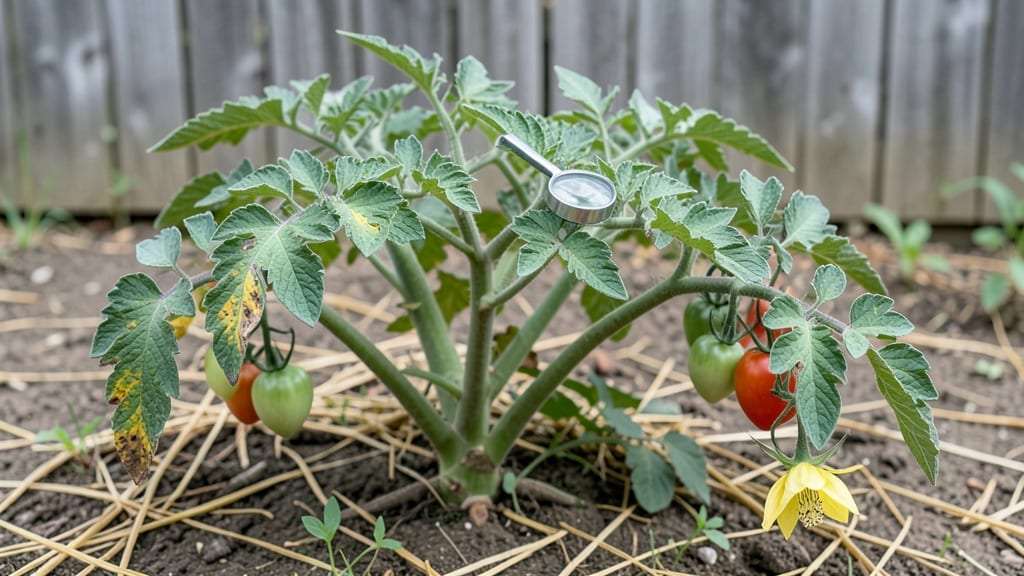
Tomato plants are toxic to pets and children, particularly the leaves, stems, and green fruit, which contain solanine and other harmful alkaloids. Ripe red tomatoes are safe but unripe green ones pose risks. Keep plants out of reach and remove fallen foliage promptly.
Understanding tomato plant toxicity starts with knowing which parts are dangerous.
The leaves and stems contain the highest concentrations of solanine—a natural toxin that can cause stomach upset, weakness, or even neurological issues in pets and young kids. 🌱 Even ripe red tomatoes are generally safe, but green ones still carry risks.
I always recommend wearing gloves when handling plants and keeping them in elevated planters to deter curious pets from nibbling.
If your dog or child accidentally ingests any part of the plant, act fast. Watch for symptoms like drooling, vomiting, or lethargy, and contact your vet or the ASPCA Poison Control Center immediately.
Removing fallen leaves from your yard reduces accidental exposure, and opting for pet-safe alternatives like basil or marigolds can make gardening safer for everyone.
💡 In This Article
- Toxic Components in Tomato Plants
- Safe Tomato Plant Handling for Families
Toxic components in tomato plants
The primary toxins in tomato plants are solanine and tomatine, both belonging to the glycoalkaloid family. These compounds act as natural insect repellents and protect the plant from herbivores.
Solanine concentrations are highest in green parts—leaves and stems can contain 0.2-0.5 milligrams per gram of fresh weight, while unripe green tomatoes may have 10-20 milligrams per 100 grams. 🌿 The bitterness you taste in green tomatoes comes from these compounds, which also irritate the digestive tract when ingested.
Ripening dramatically reduces toxicity because solanine breaks down as chlorophyll converts to carotenoids. A ripe red tomato typically contains less than 0.01 milligrams per gram—negligible amounts that pose no risk. The transformation occurs through enzymatic activity triggered by ethylene gas during ripening.
This is why green tomatoes left on the vine until fully red are safer than those harvested prematurely, even if they're not fully red.
Dogs are particularly vulnerable because their smaller body size makes them more sensitive to toxins. A 20-pound dog ingesting just 0.2 milligrams of solanine per pound of body weight could experience symptoms like vomiting, diarrhea, or lethargy.
The ASPCA reports that tomato plant poisoning cases spike in summer when gardens are lush and pets roam freely. 🐶 Cats are less affected due to their different digestive physiology, but they can still suffer mild gastrointestinal upset.
Symptoms typically appear within 6-24 hours of ingestion and include drooling, stomach pain, weakness, or dilated pupils. Severe cases (rare with tomatoes but possible with concentrated leaves) may cause neurological issues like confusion or seizures.
The key difference between ripe and unripe fruit is the solanine concentration: green tomatoes contain 5-10 times more than their red counterparts, making them far riskier.
Interestingly, cooking doesn't eliminate solanine—it only reduces it slightly (by about 10-20%). The compounds are heat-stable, which is why even cooked green tomato leaves remain hazardous.
This stability means you should never compost tomato plant clippings in home gardens where pets might dig through the pile. 🌱 The safest approach is to dispose of toxic parts in sealed trash bags or designated green waste bins.