
Pruning
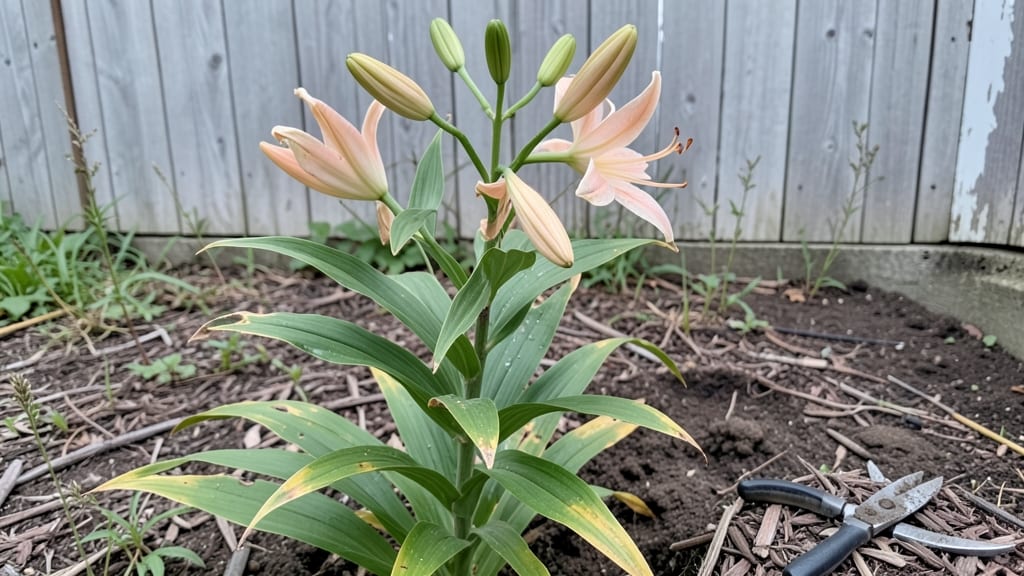
Trimming lily plants after blooming turns a single-season show into years of lush, repeat performances. ✨ I’ve watched my daylilies go from one weak flush of flowers to three vibrant blooms per season—just by cutting back the right way.
The key is timing: wait until the foliage yellows naturally, then snip with clean shears to encourage next year’s growth.
You only need three things: sharp pruners (or clean scissors), a pair of gloves (lily sap can irritate skin), and a clear day to assess what’s spent. True lilies get cut back to the ground, while daylilies only need dead flower stalks removed—never the fan-shaped leaves.
Over-trimming leaves them vulnerable to pests, so less is more after the blooms fade.
What you’ll end up with is plants that bounce back stronger, with thicker stems and more buds forming at the base. The foliage stays green longer, and by next spring, you’ll notice new shoots pushing through the soil weeks earlier.
It’s that simple: a few minutes of pruning now means a fuller garden later.
This works for both daylilies and true lilies, though the exact cuts differ slightly. The same principles apply whether you’re trimming a single plant or a whole border. Ready to turn last year’s blooms into next year’s showstopper?
📚 In This Guide
- What you need
- Instructions
- Tips and common mistakes
- Wrapping up and next steps
What you need
- ● Pruning shears or sharp bypass pruners – Clean, sterilized, and sharp (avoid dull tools—they crush stems!).
- ● Disinfectant (70% isopropyl alcohol or bleach solution) – 1 part bleach to 9 parts water (for sterilizing tools).
- ○ Garden gloves – Optional but recommended (protects hands from thorns and sap).
- ● Compost or mulch – For disposing of trimmings or enriching soil.
- ● Watering can or hose – For post-pruning hydration.
- ○ Staking material (optional but helpful) – Bamboo stakes or soft plant ties (if your lilies are top-heavy).
- ● Choose the right time – Prune after flowering (late summer/early fall) or in early spring before new growth starts.
- ● Check the weather – Avoid trimming if rain is forecasted within 24 hours (prevents fungal issues).
- ● Identify dead/diseased foliage – Look for yellowed, brown, or mushy stems—these need immediate removal.
How to prune lily plants for continuous flowering
Here's the straightforward method I use to keep lilies blooming like clockwork—no fancy tools, just smart cuts.
✂️ Step 1: Wait Until After the First Bloom Cycle
Never prune lilies before they've finished flowering. The plant needs energy stored in its bulbs to fuel next year's blooms. Wait until all flowers have faded and seed pods have dried up—usually 4-6 weeks after blooming. You'll know it's time when the foliage starts yellowing naturally.
Cut the flower stalks down to 1 inch above the ground with clean, sharp pruners. This removes spent blooms but leaves the leaves intact—they're still photosynthesizing and feeding the bulb. I always sterilize my pruners with rubbing alcohol first to prevent disease spread between cuts.
🌿 Step 2: Remove Only Dead or Yellowed Foliage Later in Season
Leave all green leaves alone until late summer or early fall—they're working hard to replenish the bulb's energy. Only when 75% of leaves turn brown should you trim the remaining foliage. Cut back to 2 inches above the soil line to avoid damaging next year's growth.
This might seem counterintuitive, but lilies store nutrients in their leaves until they brown completely. If you cut too early, you're starving the bulb. I mark my calendar for 6-8 weeks after blooming as my reminder to check leaf color.
✂️ Step 3: Divide and Prune Overcrowded Clumps Every 3 Years
When lilies get crowded, their blooms shrink and flower less reliably. Dig up the entire clump in early spring or fall when soil is workable. Gently separate bulbs with your hands, discarding any that are soft or mushy. Healthy bulbs will have firm, papery skins and no signs of rot.
Replant bulbs at the same depth they were growing, 4-6 inches deep and 6 inches apart. Trim any damaged roots with clean pruners, but leave healthy roots intact. This refreshes the plant and encourages bigger, more abundant blooms next season.
💧 Step 4: Maintain Consistent Watering After Pruning
After pruning, lilies need 1 inch of water per week to recover. Water at the base rather than overhead to prevent fungal diseases. The soil should feel damp but not soggy—you can check by sticking your finger 1 inch deep.
Reduce watering slightly in late summer as foliage begins to yellow naturally. Overwatering at this stage can cause bulb rot. I use a moisture meter to verify soil conditions, especially in containers where drainage is critical.
⏰ Step 5: Apply Balanced Fertilizer in Early Spring
After pruning, wait until early spring when you see new shoots emerging before fertilizing. Use a 10-10-10 balanced fertilizer at half strength. This gives lilies a gentle nutrient boost without overwhelming them after their winter dormancy.
Spread fertilizer 3 inches away from the bulb base and water thoroughly to activate it. Avoid high-nitrogen fertilizers—they promote leafy growth at the expense of flowers. I apply fertilizer again 6 weeks later to support bloom development.
Tips & tricks for pruning lily plants
Pruning lilies might seem tricky, but these simple tricks will help you keep your plants blooming beautifully year after year.
Timing is Everything: The 4-6 week window after blooming is critical for Step 1. I learned this the hard way after cutting back too soon and watching my lilies produce fewer blooms the next season. Mark your calendar right after your lilies finish flowering to remember when to prune those flower stalks to 1 inch above ground. This gives the bulb enough time to store energy for next year's show.
Visual Cues for Step 2: When you're ready to trim foliage in late summer or early fall, look for that 75% brown color signal. I find it helpful to take a photo of my lilies at this stage so I can reference it next year. Cutting back to 2 inches above the soil line might feel drastic, but it prevents damaging next year's growth while still allowing the bulb to absorb those last nutrients from the leaves.
Bulb Health Check: During Step 3's division process, pay special attention to bulb firmness. Healthy bulbs should feel solid and have that papery skin—anything soft or squishy needs to go. I've found that replanting at the same 4-6 inches deep and 6 inches apart creates the perfect balance of space and support for those big blooms we all love.
Watering Wisdom: That 1 inch per week watering guideline in Step 4 is a perfect starting point, but I've learned to adjust based on weather. During hot summers, I might increase to 1.5 inches, while in cooler months, I reduce to just 0.75 inches. Always check soil moisture by sticking your finger 1 inch deep—it should feel damp, not wet. This simple check prevents the dreaded bulb rot that can happen with overwatering.
Pro Tips for Trim Lily Plant
- Pruning lilies might seem tricky, but these simple tricks will help you keep your plants blooming beautifully year after year.
- Timing is Everything: The 4-6 week window after blooming is critical for Step 1.
- Visual Cues for Step 2: When you're ready to trim foliage in late summer or early fall, look for that 75% brown color signal.
Frequently asked questions
Got questions about trimming your lily plant for healthier growth and stunning blooms? Here are some of the most common ones—and their answers!
When is the best time to trim a lily plant?
The ideal time to trim lilies is after they finish blooming in late summer or early fall. This gives the plant time to store energy in its bulbs for next year’s growth. Avoid trimming in spring, as new shoots are forming. If deadheading (removing spent flowers), do it immediately to redirect energy to foliage and bulb development.
How much should I cut back my lily plant?
Trim back the foliage by about one-third after blooming, leaving enough leaves to photosynthesize until they naturally yellow. For hardy lilies, cut stems down to 1-2 inches above the ground. Avoid over-trimming—leaving too little foliage can weaken the bulb. If your lilies are tropical (like daylilies), you can trim them back to 6 inches for a neater look.
What if my lily leaves turn yellow after trimming?
Yellowing leaves after trimming are usually normal as the plant redirects nutrients to the bulb. However, if more than half the foliage yellows prematurely (before late fall), you may have trimmed too aggressively. Ensure the plant gets 6+ hours of sunlight and well-draining soil. If the issue persists, check for pests or root rot—both can stress lilies.
Can I trim lilies in pots differently than garden lilies?
Yes! Potted lilies can be trimmed similarly, but focus on removing dead or crowded foliage to improve airflow. After blooming, cut back stems to 3-4 inches above the soil. For container-grown lilies, reduce watering slightly after trimming to prevent bulb rot. Repot every 2-3 years to refresh the soil and encourage new growth.
What if my lilies don’t bloom after trimming?
Lack of blooms often stems from over-trimming or insufficient sunlight/nutrients. Ensure you left enough foliage (at least half) to feed the bulb. Feed with a balanced fertilizer (10-10-10) in early spring and provide full sun. If blooms still don’t appear, your lilies may need division—lift and separate bulbs every 3-4 years to prevent overcrowding.
Wrapping up and next steps
Trimming your lily plant is the secret to vibrant, long-lasting blooms and a healthier garden! 🌸 By following the right steps—like removing spent flowers, thinning foliage, and sharpening your tools—you’ll encourage new growth and keep pests at bay.
Whether you’re a beginner or a seasoned gardener, a little pruning goes a long way in transforming your lilies into a showstopper.
Ready to see the difference? Grab your shears and give your lilies the TLC they deserve. Start small—pick one plant to trim this weekend—and watch your garden flourish! 🌿