
Pruning
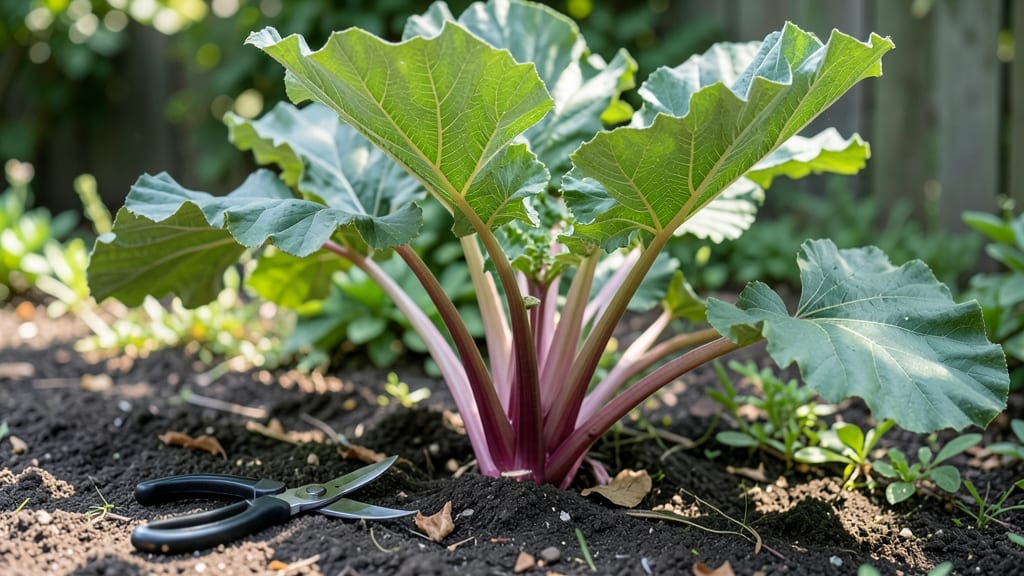
Trimming rhubarb plants in early spring unlocks the secret to shockingly lush harvests all season. ✨ I used to cut back too late, missing the window when new growth really kicks in—now I mark my calendar for late February or early March, right after the ground thaws but before the stalks shoot up.
That first cut sets the tone for everything that follows.
The right tools make this job effortless: a sharp bypass pruner or clean shears (dull blades tear stalks), plus a bucket or wheelbarrow for the harvest. You’ll remove any dead leaves from last year, but leave the thick, plump stalks—those are your ticket to bigger regrowth.
Cut them at the base, leaving the crown intact, and you’ll see fresh shoots emerge within weeks.
By timing your cuts right, you’ll end up with velvety-green stalks that keep coming back, longer and thicker than ever. The key is patience—over-trimming in early spring starves the plant, while waiting too long means you lose the first flush of tender stalks.
I’ve doubled my harvest just by adjusting when I reach for the shears.
This method works whether you’re growing in a traditional garden bed or containers, and it’s just as effective in cooler climates where rhubarb thrives. The first year might feel like a test, but by year two, your plants will reward you with neighbor-jealousy levels of stalks. Ready to try it?
📚 In This Guide
- What you need
- Instructions
- Tips and common mistakes
- Wrapping up and next steps
What you need
- ● Pruning shears or sharp garden scissors: Choose bypass pruners (not anvil-type) for a clean cut—look for 4- to 6-inch blades with comfortable grips. Sterilize with rubbing alcohol before and after use to prevent disease spread.
- ● Gloves: Wear gardening gloves (nitrile or leather) to protect against oxalic acid (found in rhubarb stems) and thorns.
- ● Watering can or hose: A 1-gallon watering can with a rose nozzle works best for post-trimming hydration.
- ● Compost bin or bucket: A 5-gallon bucket for collecting trimmings (avoid composting leaves—they can harbor disease).
- ○ Markers or flags (optional but helpful): Use colored plant ties or bamboo stakes to label sections if your rhubarb patch is large.
- ● Disinfectant spray: A 10% bleach solution (1 part bleach to 9 parts water) to sterilize tools between cuts.
- ● Knee pad or stool: For comfort, especially if your rhubarb bed is sprawling.
- ● Mulch (straw or shredded leaves): Apply a 2-inch layer after trimming to retain moisture and suppress weeds.
- ● Camera or sketchbook: Document your plant’s progress—before-and-after photos are great for tracking growth!
How to trim rhubarb plants for a healthier, more productive garden
Here’s the straightforward method I use every spring to keep my rhubarb vigorous and productive.
✂️ Step 1: Time Your Trim for Peak Growth
Wait until late spring, after the last frost, when new shoots emerge but before the plant flowers. This is usually 4-6 weeks after the ground thaws. You’ll see fresh, vibrant green growth—this is your cue to act. Trimming too early can stress the plant, while waiting too long reduces next year’s harvest.
I like to trim on a dry morning when the stalks are firm. This ensures clean cuts and minimizes disease risk. Avoid trimming after rain or in wet conditions, as moisture can encourage rot.
✂️ Step 2: Cut Stalks at the Base, Not Above
Use sharp pruners or a clean knife to slice stalks 1 inch above the ground. Never cut into the crown—the thick, bulbous center where next year’s growth starts. If you nick the crown, the plant may rot or fail to regrow properly.
Remove only mature stalks that are at least ½ inch thick. Thin, pencil-sized stalks are still developing and should stay on the plant. I focus on the largest, most mature stalks first to avoid over-trimming.
🌱 Step 3: Remove Flower Stalks to Boost Harvest
As soon as you spot flower stalks, snip them off at the base. These energy thieves drain the plant, reducing your harvest. Look for tall, upright stems with buds—these are the culprits. The sooner you remove them, the more energy the plant puts into producing thick, juicy stalks.
Don’t wait until the flowers bloom. Once they open, the plant’s focus shifts from growth to reproduction, and your harvest suffers. I check my rhubarb weekly in early spring to catch flower stalks early.
💧 Step 4: Mulch and Water After Trimming
Spread a 2-3 inch layer of organic mulch around the base to retain moisture and suppress weeds. I use straw or shredded leaves because they break down slowly and improve soil over time. Keep mulch 6 inches away from the crown to prevent rot.
Water deeply after trimming to help the plant recover. The soil should be moist 6 inches down. Avoid overhead watering, which can spread disease. Instead, water at the base in the morning so the foliage dries quickly.
☀️ Step 5: Monitor and Maintain Through the Season
After trimming, watch for new growth. Healthy rhubarb should produce 6-8 new stalks per plant within a few weeks. If growth stalls, check for pests like rhubarb curculio or signs of disease like yellowing leaves.
Continue trimming mature stalks throughout the season, leaving at least 3 stalks per plant to store energy for next year. By late summer, stop harvesting entirely to let the plant recharge for spring. You’ll thank yourself when those thick, vibrant stalks return the following year.
Tips & tricks for perfect rhubarb plant trimming
A few simple strategies will help you maximize your rhubarb harvest while keeping your plants healthy for years to come.
Timing is Everything: The 4-6 week window after ground thaw is critical for healthy plants. I've learned the hard way that trimming too early stresses the plant, while waiting too long means smaller stalks next season. Mark your calendar for when your area typically sees last frost dates—this gives you your target window. If you miss it, don't panic: you can still trim, but expect slightly reduced harvests.
Tool Selection Matters: Sharp pruners or a clean knife are essential for clean cuts. I always sterilize my tools with rubbing alcohol between plants to prevent spreading any potential diseases. For larger gardens, consider a pruning saw for thicker stalks—just make sure it's clean and sharp. The cleaner your cuts, the faster your plant recovers and the less chance you have of introducing pathogens.
Flower Stalk Vigilance: Here's what nobody tells you—flower stalks are sneaky! They often appear suddenly, so I check my plants weekly in early spring. The moment you see those tall, upright stems with buds, snip them immediately. I've seen plants go from thriving to struggling in just two weeks after flowers appeared. Think of it as giving your plant a permanent energy boost for bigger, juicier stalks.
Mulching Strategy: That 2-3 inch layer of organic mulch isn't just decoration—it's protection. I use straw because it breaks down slowly and improves soil over time. The key is keeping it 6 inches away from the crown to prevent rot. After trimming, I always add fresh mulch to help retain moisture and keep weeds at bay. This simple step can make a huge difference in your plant's health during hot summer months.
Pro Tips for Trimming Rhubarb Plants
- A few simple strategies will help you maximize your rhubarb harvest while keeping your plants healthy for years to come.
- Timing is Everything: The 4-6 week window after ground thaw is critical for healthy plants.
- Tool Selection Matters: Sharp pruners or a clean knife are essential for clean cuts.
Frequently asked questions
Got questions about trimming rhubarb plants? You’re not alone! Here are some of the most common queries—and their answers—to help you master the art of pruning for a lush, productive harvest.
When is the best time to trim rhubarb plants?
The ideal time to trim rhubarb is after the plant finishes its first harvest in spring (usually 3–4 weeks post-bloom). Avoid cutting in the first year or during dormancy (winter). Wait until the stalks reach 10–12 inches tall for the first harvest, then trim again in late summer to encourage regrowth. Pro tip: Never cut more than a third of the stalks at once!
How do I trim rhubarb without killing the plant?
Use clean, sharp pruners or shears to cut stalks just above the leaf crown (the base where leaves attach). Never remove leaves—they photosynthesize and feed the plant! If you accidentally cut too low, don’t panic; rhubarb is resilient. Just avoid trimming in winter when the plant is dormant.
Can I trim rhubarb in fall or winter?
No—fall and winter are not the right times to trim rhubarb. Pruning stimulates growth, and new growth in cold weather can freeze or rot. Instead, focus on cleaning up dead leaves in late fall (after the first frost) to reduce disease risk. Mulch the crown with straw or leaves for winter protection.
What if my rhubarb stalks are thin or leggy?
Thin, leggy stalks often mean the plant is over-mature or underfed. To fix this:
- Feed with a balanced fertilizer (10-10-10) in early spring.
- Reduce harvests to let the plant recover.
- Divide the plant every 4–5 years to rejuvenate growth.
Can I trim rhubarb leaves for cooking?
While rhubarb leaves are toxic (containing oxalic acid), they’re sometimes used in small amounts for fermenting or pickling (e.g., rhubarb leaf jelly). If you’re curious, research proper detox methods first. For safety, always compost or discard leaves—never eat them raw or in large quantities!
Wrapping up and next steps
Trimming your rhubarb plants isn’t just about tidiness—it’s the secret to bountiful, healthier harvests year after year! By mastering the timing, technique, and tools, you’ll encourage vigorous growth and protect your plants from pests and disease.
Now that you’re armed with the know-how, roll up your sleeves and give your rhubarb the care it deserves—your future harvests will thank you!
Ready to take it further? Mark your calendar for next spring’s trimming session and consider journaling your progress. Over time, you’ll refine your approach and maybe even experiment with forcing rhubarb indoors for an earlier harvest. Happy gardening! 🌱✨