
Pests and Diseases
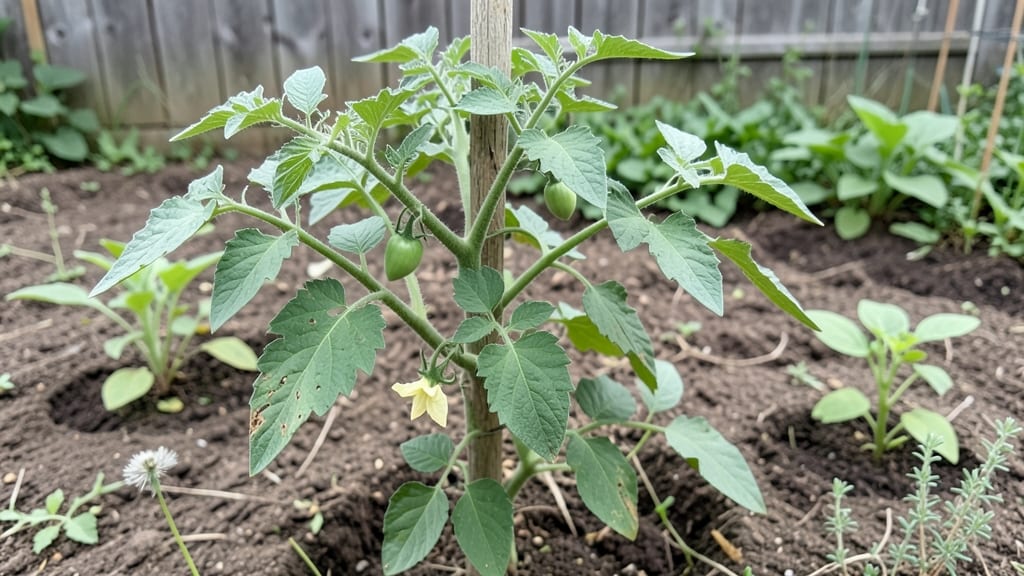
Yes, tomatoes and green beans can be planted together successfully, as they benefit from each other’s growth habits—beans fix nitrogen in the soil while tomatoes provide shade for beans. However, avoid planting them too closely to prevent competition for nutrients and space.
This pairing works because green beans act as natural soil enrichers, releasing nitrogen that tomatoes thrive on. 🌱 The taller tomato plants also create a living canopy, shielding beans from harsh afternoon sun while reducing evaporation.
Many gardeners swear by this combo—just keep them spaced properly to avoid overcrowding, which can lead to fungal issues or stunted growth.
For best results, plant beans first (they germinate quickly) and then add tomato seedlings once the beans are about 6 inches tall. This staggered approach ensures both plants have enough room to flourish without competing aggressively for resources.
💡 In This Article
- Companion Planting Benefits of Tomatoes and Green Beans
- Best Practices for Planting Tomatoes and Green Beans Together
Companion planting benefits of tomatoes and green beans
Here's what's actually happening in this plant pairing: Green beans are legumes, meaning they host beneficial bacteria called Rhizobia in their root nodules. These bacteria convert atmospheric nitrogen (N₂) into ammonia (NH₃), which the beans absorb and later release into the soil as organic nitrogen—an essential nutrient for tomatoes.
Studies show that beans can add up to 100-200 pounds of nitrogen per acre over a growing season, significantly boosting soil fertility for heavy feeders like tomatoes.
The shade provided by tomato plants is equally valuable. Green beans prefer partial shade, especially in hot climates where temperatures exceed 85°F. Tomatoes, with their broad leaves, create a natural canopy that reduces soil moisture loss by 30-40% through evaporation.
This mutual benefit is why many organic gardeners use this pairing to extend the growing season in warmer regions. The beans also help deter pests like the Mexican bean beetle, which are repelled by the strong scent of tomato foliage.
What most people don't realize is how their staggered growth cycles optimize space. Green beans germinate in 7-14 days and reach maturity in 50-60 days, while tomatoes take 60-90 days to produce fruit.
This means beans get an early head start, fixing nitrogen before tomatoes need it most during their fruiting phase. The beans can be harvested and removed by mid-summer, leaving room for tomato vines to expand without competition.
This sequential growth pattern is why many gardeners rotate these crops annually for maximum efficiency.
There's also a chemical defense mechanism at play. Tomatoes release volatile organic compounds (VOCs) like α-pinene and limonene that repel many garden pests, including aphids that commonly attack green beans. Meanwhile, beans produce compounds that suppress soil-borne diseases like Fusarium wilt, which can devastate tomato crops.
This natural pest and disease suppression creates a more resilient growing environment for both plants.
For visual gardeners, this pairing creates an aesthetically pleasing vertical display. The 3-5 foot tomato plants serve as natural trellises for the climbing green beans, creating a layered effect that maximizes vertical space.
This not only saves ground area but also improves air circulation around the plants, reducing humidity levels that could promote fungal diseases like early blight. The contrast between the deep green of tomato leaves and the lighter green of bean foliage adds visual interest to the garden bed.
The science behind this synergy extends to soil structure too. Bean roots break up compacted soil as they grow, improving drainage and aeration—critical factors for tomato root health. Meanwhile, tomato roots extend deeper, accessing water and nutrients from lower soil layers that beans typically can't reach.
This complementary root structure creates a more balanced nutrient uptake system in the garden. 🌱