
Planting
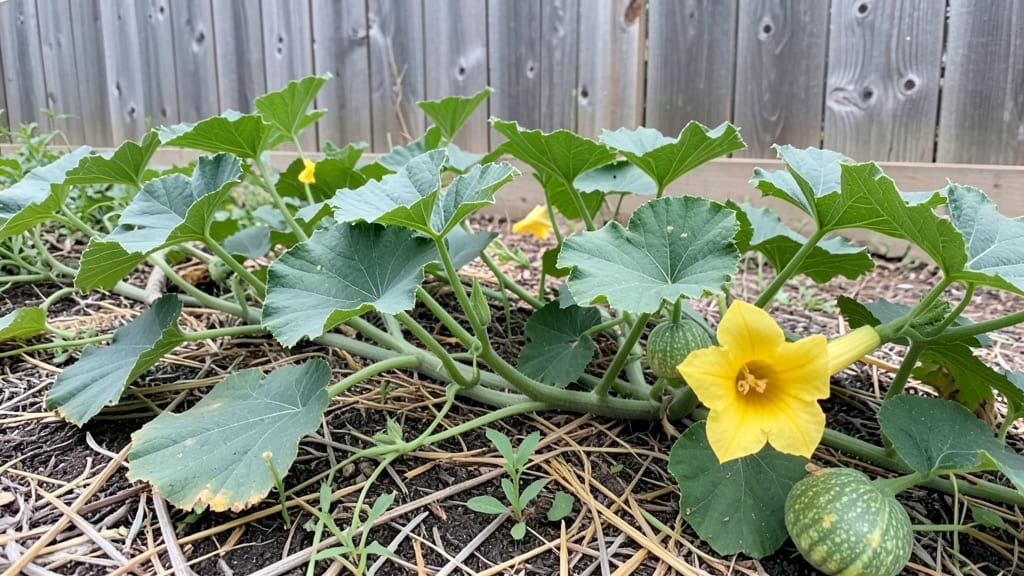
Growing patty pan squash plants delivers fast harvests that keep coming all season long—something I discovered after my first vine exploded with 15-pound yields in just 50 days.
The secret lies in their aggressive growth habit and shallow roots, which make them perfect for small spaces or container gardens where other squash varieties struggle. Unlike their sprawling cousins, patty pan squash stays compact yet productive, giving you more bang for your square footage.
These vines thrive in full sun and well-draining soil with a pH between 6.0 and 7.0, but don’t stress if your soil isn’t perfect—amending with compost or aged manure works wonders.
Plant seeds after the last frost when soil reaches 60°F, and space them 2-3 feet apart to give vines room to spread.
Water consistently at the base (not the leaves) to prevent powdery mildew, and watch for squash bugs early in the season—they’re the only real threat to your harvest.
By mid-summer, you’ll be picking flat, scallop-edged fruits that taste sweeter than store-bought zucchini. Each vine produces 10-15 squash over weeks, not just one big harvest. The best part?
They keep producing until frost, giving you a steady supply for stir-fries, grilling, or stuffing. Just remember: the sooner you pick, the more your plant will keep giving.
Works in containers, raised beds, or in-ground plots—just ensure good airflow to prevent disease. For a foolproof start, try a 5-gallon container with trellis support if space is tight. Here’s how to set it up without the common pitfalls that kill first-time harvests.
📚 In This Guide
- What you need
- Instructions
- Tips and common mistakes
- Wrapping up and next steps
What you need
- ● Patty pan squash seeds: 5–10 seeds (choose heirloom or hybrid varieties like 'Patty Pan,' 'Sunburst,' or 'Black Beauty').
- ● Seed-starting mix: 1–2 small pots (4–6 inches deep) or a seed tray with drainage holes.
- ● Well-draining potting soil: 1 bag (1–2 cubic feet) for transplanting or in-ground planting.
- ● Compost or organic fertilizer: 1–2 cups (balanced 10-10-10 or veggie-specific blend).
- ● Watering can or hose with a gentle nozzle: For consistent moisture without overwatering.
- ○ Garden twine or stakes (optional): 3–5 feet long (if trellising for vertical growth).
- ● Gloves: 1 pair (to protect hands from prickly vines or soil).
- ● Trowel or small shovel: For planting seeds 1 inch deep.
- ● Pruners (sterilized): For harvesting and trimming vines.
- ● Sunny location: 6+ hours of direct sunlight daily (full sun is ideal!).
- ● Warm soil (60–90°F): Patty pans thrive in heat—wait until frost has passed.
- ○ Mulch (optional): Straw or shredded leaves to retain moisture and suppress weeds.
- ● Test soil pH: Aim for 6.0–7.0 (use a kit if unsure).
- ● Direct sow after frost: No need to start indoors—seeds germinate in 7–14 days!
- ● Thin seedlings: Space plants 2–3 feet apart to prevent crowding.
- ● Harvest young: Patty pans taste best when 3–5 inches wide (use pruners to avoid damaging vines).
Step-by-step instructions for growing patty pan squash plants
Here's the efficient method I use to get fast, productive vines thriving in just weeks.
🌱 Step 1: Prepare the Planting Site for Optimal Growth
Patty pan squash thrives in warm soil with excellent drainage, so I always start by amending the planting area with 2-3 inches of compost mixed into the top 12 inches of soil. This ensures the vines have plenty of organic matter to develop strong roots quickly. Work the compost in gently—you don't want to compact the soil, as squash roots need loose, airy conditions to spread efficiently.
Choose a location that receives full sun (6-8 hours daily)—this is non-negotiable for fast, productive growth. If your garden gets afternoon shade, position the plants where they'll catch the morning sun first. The soil temperature should be at least 65°F before planting, as cold soil delays germination and weakens seedlings. Use a soil thermometer to check—patty pans won't germinate well below this threshold.
🌿 Step 2: Plant Seeds at the Right Depth and Spacing
Plant 3-4 seeds per hill, spacing them 1 inch apart and 1 inch deep. I like to create small mounds of soil about 6 inches high—this helps prevent water from pooling around the seeds, which can cause rot. Once the seeds are in, cover them lightly with soil and press down gently to ensure good seed-to-soil contact.
Space the hills themselves 3-4 feet apart in all directions. This gives the vines room to sprawl without competing for nutrients, which is key for that fast, bushy growth you want. Water the area thoroughly after planting, but avoid soaking the seeds—just keep the soil evenly moist until germination. You'll see sprouts in 5-7 days if conditions are ideal, but don't be surprised if it takes up to 10 days in cooler weather.
☀️ Step 3: Provide Consistent Water and Support for Vigorous Growth
Water deeply 2-3 times per week, aiming for 1 inch of water per week total. I use drip irrigation or soaker hoses to deliver water at the base of the plants—this keeps the leaves dry and reduces the risk of fungal diseases like powdery mildew. Water in the early morning so the foliage has all day to dry, which is especially important once the vines start producing those iconic flat squashes.
As the vines grow, they'll need support to keep the squashes off the ground. I install 4-5 foot tall trellises or sturdy cages near each plant and gently weave the vines through as they grow. This not only saves space but also improves air circulation around the fruit, which prevents rot and speeds up maturation. You'll notice the first flowers appear in 4-6 weeks, followed by baby squashes in another 2-3 weeks—that's when the real fun begins!
✂️ Step 4: Harvest Regularly for Continuous Production
Patty pan squash is a "harvest as you go" crop, and the key to fast, ongoing production is picking frequently. Harvest squashes when they're 3-4 inches wide—this ensures the plant keeps producing new flowers and fruit instead of putting all its energy into a few large squashes. Use a sharp knife or pruners to cut the stem, leaving about 1 inch attached to the vine.
Check the vines every 2-3 days once they start producing—you'll be amazed how quickly they refill with new squashes if you stay on top of harvesting. The more you pick, the more the plant will produce, and you can enjoy a year-round harvest if you grow in a warm climate or extend the season with row covers. Don't let the squashes get too large (over 5 inches), or they'll turn tough and lose their sweet flavor.
Tips & tricks for fast-growing patty pan squash plants
These game-changing insights will help you accelerate your patty pan squash growth and maximize your harvest potential in record time.
Soil Preparation Secret: The 2-3 inches of compost mixed into the top 12 inches of soil isn't just about nutrients—it's about creating a loose, airy environment that encourages rapid root development. I like to add a handful of perlite or coarse sand to improve drainage further, especially in heavier clay soils. This ensures your vines establish themselves quickly, reaching that 6-8 hours of sunlight requirement with minimal stress. The faster the roots spread, the sooner you'll see vigorous top growth and those coveted flat squashes.
Planting Precision: When creating those 6-inch high mounds for your 3-4 seeds, I recommend using a small garden rake to shape them rather than mounding by hand. This creates more consistent hills and prevents soil compaction at the base where roots need to penetrate. After planting, I press down gently with my thumb—not my whole hand—to ensure good seed-to-soil contact without compacting the surrounding area. This small detail makes the difference between germination in 5 days versus 10 days in cooler conditions.
Watering Strategy: The 2-3 times weekly watering schedule works beautifully, but timing is everything. I've found that using a moisture meter helps me determine exactly when to water rather than relying on a fixed schedule. Aim to keep the top 2 inches of soil consistently moist—never soggy. This consistent moisture level prevents the plants from experiencing stress that could slow their growth. Remember, patty pan squash plants are thirsty drinkers, especially once they start producing those flat squashes, so don't let the soil dry out completely between waterings.
Harvest Timing: Those 3-4 inch wide squashes are the sweet spot for maximum production. I harvest every morning during peak production season, checking for new squashes every 2-3 days. The key is to use a sharp knife or pruners to cut the stem cleanly, leaving about 1 inch attached. This clean cut prevents damage to the vine and encourages the plant to produce more flowers and fruit. I've found that harvesting at this size not only maintains quality but also extends the production period significantly—sometimes for months if conditions remain favorable.
Pro Tips for Patty Squash Plant
- These game-changing insights will help you accelerate your patty pan squash growth and maximize your harvest potential in record time.
- Soil Preparation Secret: The 2-3 inches of compost mixed into the top 12 inches of soil isn't just about nutrients—it's about creating a loose, airy environment that encourages rapid root development.
- Planting Precision: When creating those 6-inch high mounds for your 3-4 seeds, I recommend using a small garden rake to shape them rather than mounding by hand.
Frequently asked questions
How long does it take for patty pan squash plants to produce fruit?
Patty pan squash is a fast grower! With warm soil (60°F+) and consistent care, expect tiny "pans" as early as 40–50 days after planting. Full-sized squash (3–5 inches wide) typically appear in 55–70 days, depending on your climate. Pro tip: Harvest young for tender, sweeter squash—waiting too long makes them tough and seedy.
Can I grow patty pan squash in containers or small spaces?
These vining squash thrive in 5-gallon containers or larger, with trellises to save space. Choose compact varieties like 'Baby Boo' or 'Patty Pan Yellow' for smaller gardens. Just ensure containers have drainage holes and 12+ inches of depth for root growth. Bonus: Containers warm up faster in spring, giving you an earlier harvest!
What pests or diseases should I watch for with patty pan squash?
Common culprits include squash bugs, cucumber beetles, and powdery mildew (especially in humid areas). Prevent pests by:
- Using row covers early in the season.
- Handpicking eggs (tiny flat spots under leaves).
- Rotating crops yearly to avoid soil-borne diseases.
How do I store harvested patty pan squash?
Freshly picked squash lasts 1–2 weeks in a cool (50–55°F), dry place (like a pantry). For longer storage:
- Place in a paper bag with a few air holes.
- Avoid refrigeration—cold turns starches to sugar, making them mealy.
- Freeze cooked squash (sautéed or roasted) for up to 6 months.
What’s the best alternative if patty pan squash doesn’t grow well in my area?
Try these low-maintenance, fast-growing alternatives with similar uses:
Variety
Days to Harvest
Why It Works
Zucchini ('Eight Ball' or 'Patio Star')
45–55 days
Compact, prolific, and great for stir-fries or stuffing.
Yellow Crookneck Squash
50–60 days
Sweet, tender when young—ideal for grilling.
Cherry Tomatoes ('Tiny Tim' or 'Patio Princess')
50–60 days
Container-friendly and harvestable all season!
Wrapping up and next steps
Growing patty pan squash is a rewarding adventure that brings vibrant, versatile harvests to your table with minimal effort! 🌱 Whether you’re a seasoned gardener or a curious beginner, these fast-growing vines deliver year-round potential—just imagine fresh, flavorful squash straight from your garden.
With the right soil, sunlight, and care, you’ll enjoy a bountiful yield that’s perfect for grilling, stuffing, or savoring raw.
Ready to take the next step? Start small—plant a few seeds or seedlings this season and watch your garden transform! For even more success, experiment with companion planting (like beans or herbs) or try preserving your harvest with pickling or freezing.
Happy growing—your taste buds (and dinner plate) will thank you! 🍽️✨