
Plants
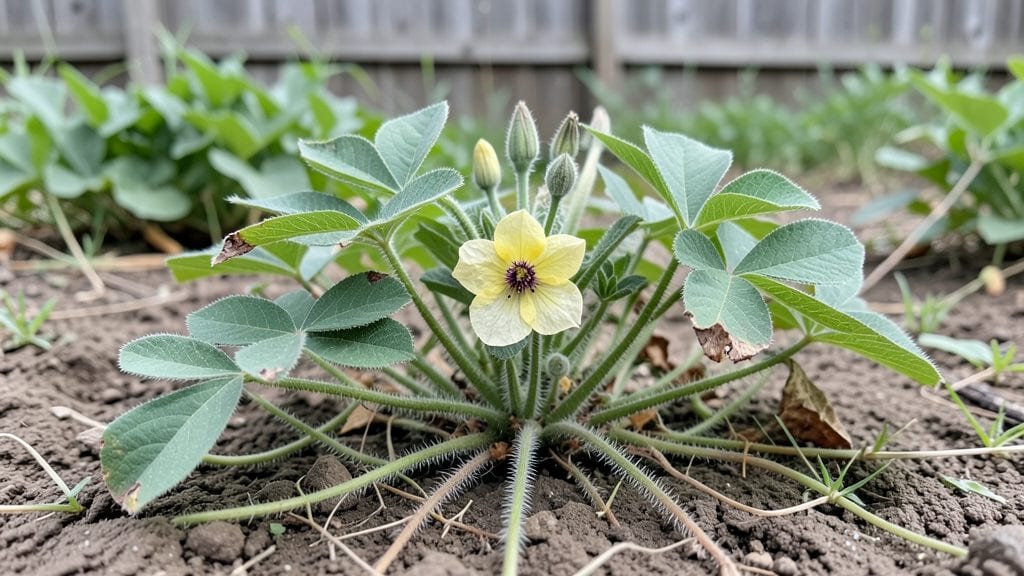
Harvesting a peanut plant at the right time means catching those pods when they’re just firm and dry—but not a second too late.
Peanut plants don’t announce their harvest time with vibrant colors—they whisper it in subtle brown cracks and hidden pods. Missing these signs could mean losing your crop to drought, pests, or overripening. Here’s how to read your peanut plant’s secret signals and harvest at the perfect moment.
In USDA Zone 6a, peanuts planted in spring need about 120-150 days to mature, with the best window falling between September and October. But don’t rely on the calendar alone—look for yellowing leaves and pods that rattle when shaken.
In this guide, I’ll walk you through the key visual cues, the best tools for digging, and how to cure your harvest for maximum flavor. Avoid these mistakes, and you’ll end up with a pantry full of homegrown peanuts.


How to identify peanut pods ready for harvesting (key visual clues)
Harvesting peanuts at the right time transforms your crop from bland to rich, nutty perfection. The key lies in reading your plant’s subtle signals—brown pegs, cracking shells, and yellowing foliage all scream "harvest me!"
Too early, and you’ll get shriveled, bitter peanuts; too late, and they’ll rot in the soil. Let’s decode these clues so you never miss the window.
Peanut pods don’t ripen on the plant like tomatoes or beans. Instead, they grow underground after the plant’s pegs (those long stems) penetrate the soil. By the time you see yellowing leaves, the pods may already be 80% mature.
Ignore this sign, and you risk losing your entire harvest to frost or pests. Pay attention to the soil surface—this is where the magic (and mistakes) happen.
The color of the pegs is your first warning. When they turn from green to brown, the pods are 90% mature. But don’t dig just yet—wait until the leaves yellow and curl.
This signals the plant is redirecting energy to the pods. Pro tip: Gently shake the plant. If pods rattle like marbles, they’re ready. Silence means wait 1-2 more weeks.
Soil temperature plays a hidden role. Peanuts mature fastest in 75-85°F soil. If your region hits 50°F nights, harvest before frost—even if pods aren’t perfect.
Cold snaps turn sweet peanuts starchy and bland. Use a soil thermometer to track temps; aim to harvest when soil stays above 60°F for 3+ days.
Region matters too. Southern gardeners (Zones 8-10) can wait until October, while Northern growers (Zones 5-7) must harvest by early September. Late harvests risk moldy pods from damp soil.
If your area has humid summers, prioritize harvesting when morning dew dries by 10 AM—this reduces rot during curing.
Don’t rely on pod size alone. A 1-inch peanut can be perfect, while a 2-inch one might be overripe. Instead, check the shell hardness. Press a pod gently—if it doesn’t dent, it’s ready.
Soft shells mean more curing time later, but hard shells can crack during harvest. Balance is key.
Watch for pest activity too. Squirrels and raccoons dig up ripe pods faster than you can. If you spot fresh holes near your plants, harvest 24-48 hours ahead of your usual timeline.
Cover plants with row fabric at night to buy time. Even birds peck at exposed pegs—so mulch heavily to hide them.
Timing affects flavor too. Peanuts harvested at peak maturity have higher oil content, making them sweeter and creamier. Overripe peanuts lose moisture, becoming dry and mealy. Underripe ones stay green inside and taste bitter. The 10-day window between ideal and overripe is tiny—don’t snooze on these clues!
Finally, trust your fingers. Run a thumb along the pod seams. If they split slightly (like a smile), that’s perfect. No splits? Wait 3-5 days.
Forcefully cracked pods mean delayed harvest—the peanuts inside may already be shriveled. When in doubt, dig one plant, check the pods, and adjust your schedule.
Step-by-step guide: when and how to harvest peanuts for maximum yield
Harvesting peanuts isn’t just about digging up the plants—it’s a delicate timing game that determines flavor, yield, and storage life. Wait too long, and you risk moldy pods; harvest too early, and you’ll get bland, underdeveloped nuts.
The key lies in reading your plants’ signals and acting within a 10-day window when conditions are ideal.
Peanuts mature underground, so you’ll need to dig carefully to avoid damaging the pods. I recommend harvesting on a dry, sunny morning when soil is slightly moist but not soggy.
This ensures your peanuts stay clean and dry during the curing process. Let’s walk through the exact steps to maximize your harvest.
✅ Step-by-Step Peanut Harvest Guide
- Step 1: Confirm Readiness
- Look for yellowing leaves that dry back naturally
- Shake plants gently—pods should rattle inside shells
- Check 2-3 pods by digging one up to confirm maturity
- Step 2: Gather Tools
- Sharp garden fork or spade
- Gloves (peanut shells can be abrasive)
- Buckets or trays for sorting
- String or twine for hanging
- Step 3: Dig with Precision
- Work in dry soil (rain can cause rot)
- Lift plants by roots first, then shake off excess dirt
- Avoid cutting pods—handle gently to prevent damage
- Step 4: Cure Properly
- Hang plants in a dry, shaded area (70-80°F) for 10-14 days
- Turn occasionally to ensure even drying
- Remove pods when shells are hard and papery
- Step 5: Store Correctly
- Store in airtight containers with silica packets
- Keep in a cool, dark place (50-60°F)
- Peanuts last 6-12 months when stored properly
Never harvest peanuts after the first frost, as cold temperatures cause the pods to rot underground. In regions with early frosts, like Zone 5 or cooler, prioritize harvesting when nighttime temps drop below 60°F.
I’ve seen gardeners in colder climates use row covers to extend the growing season by 2-3 weeks, giving peanuts more time to mature.
One common mistake is overlooking soil moisture during harvest. If soil is too wet, pods will stick to the roots and risk mold. Aim for dry, crumbly soil—like a well-drained cake batter. After digging, let plants air-dry for 1-2 hours before curing to prevent fungal growth.
Pro tip: Use a fan on low in your garage or shed to speed up drying without overheating the pods.
Once cured, shell the peanuts immediately if you plan to eat them fresh. Store shelled peanuts in the freezer for up to 6 months to preserve oil content.
For long-term storage, leave them in the shell—they’ll keep twice as long without turning rancid. Remember, patience pays off: Rushed curing leads to chewy, off-flavored nuts.