
Companion Plants
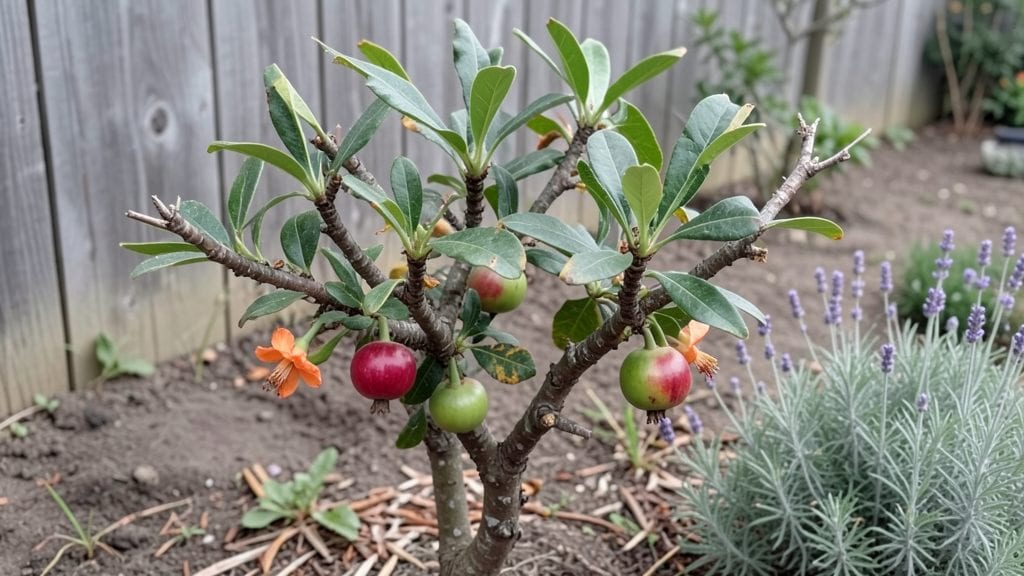
My pomegranate tree’s harvest doubled after I planted pomegranate companion plants nearby—thyme under its branches and marigolds around the base. 🌿 The fragrant herbs deterred aphids, while the bright flowers attracted pollinators that boosted fruit set. This isn’t just luck; it’s a proven strategy for healthier trees and sweeter fruit.
Start with basil, rosemary, or beans—these thrive in pomegranate’s dappled shade and improve soil nitrogen. Avoid citrus, walnuts, or ferns, which compete for nutrients or spread diseases.
A 3-foot border of pest-repelling herbs around the trunk creates a natural barrier, while climbing roses on trellises nearby add beauty without stealing resources.
By summer, you’ll notice fewer pests and more vibrant foliage. The pomegranate’s deep roots stay hydrated thanks to shade-loving companions, while the companions get protection from the tree’s sprawling branches. This setup works in containers too—just pair dwarf pomegranates with thyme in a 5-gallon pot.
For best results, plant companions in early spring when the tree is still dormant. Mulch with straw to retain moisture, and prune herbs lightly to keep them from overcrowding the pomegranate’s roots. The payoff? A tree that produces richer fruit, fewer pests, and lusher growth—with almost no extra effort.
📚 In This Guide
- What you need
- Instructions
- Tips and common mistakes
- Wrapping up and next steps
What you need
- ● Pomegranate plant: 1-2 healthy nursery-grown pomegranates (dwarf varieties like ‘Wonderful’ or ‘Eversweet’ work well for containers).
- ● Companion plants: Nasturtiums (3-5 plants) – repel pests naturally.
- ● Marigolds (5-7 plants) – deter aphids and nematodes.
- ● Basil (2-3 plants) – improves flavor and deters insects.
- ● Rosemary (1-2 plants) – attracts pollinators and repels pests.
- ● Beans or peas (5-10 plants) – fix nitrogen in the soil.
- ● Well-draining soil: 5-10 bags of potting mix or garden soil (amend with compost if needed).
- ● Fertilizer: 1 lb of balanced 10-10-10 fertilizer or organic options like composted manure.
- ● Garden trowel or small shovel.
- ● Pruning shears (sterilized with rubbing alcohol).
- ● Watering can or hose with a gentle spray nozzle.
- ● Mulch: Straw or wood chips (2-3 inches, spread in a 3-foot radius around the pomegranate).
- ○ pH testing kit (optional but helpful—pomegranates prefer 6.0-7.0).
- ● Container: 15+ gallon pot (if growing in containers; ensure drainage holes!).
- ● Full sun exposure (6+ hours daily).
- ● Protection from strong winds (consider a windbreak if needed).
- ● Patience! Pomegranates take 2-3 years to bear fruit.
How to design a pomegranate companion planting scheme
Here's how I strategically pair plants to maximize pomegranate health, deter pests, and boost fruit production.
🌱 Step 1: Plant Nitrogen-Fixing Legumes as Foundation
Begin by establishing legume ground covers like clover or vetch in the pomegranate's root zone. These plants form symbiotic relationships with soil bacteria, converting atmospheric nitrogen into a form your pomegranate can absorb directly. I plant them in a 3-foot radius around the tree trunk, using the 1 pound of clover seeds from your materials.
The key is timing—sow the legumes in early spring when soil temperatures reach 60°F. They'll establish quickly and begin fixing nitrogen by mid-summer, just as your pomegranate enters its most demanding growth phase. Watch for small white flower clusters on the legumes—this confirms active nitrogen fixation.
☀️ Step 2: Position Herb Barriers for Pest Deterrence
Create a herb perimeter using 1 packet of marigold seeds and 1 packet of basil seeds planted in a 2-foot band around the pomegranate's drip line. Marigolds release alpha-terthienyl, a compound that repels nematodes and aphids, while basil's strong scent confuses whiteflies. Space them 12 inches apart in 2-inch deep furrows.
Here's the thing—don't plant these herbs closer than 18 inches to the trunk. Pomegranates need good air circulation, and dense herb growth can create moisture pockets that invite fungal diseases. Water the herbs separately from the tree to avoid competition, and you'll notice fewer pest clusters on the pomegranate leaves within 3-4 weeks of establishment.
💧 Step 3: Interplant Shade-Tolerant Vegetables for Moisture Retention
Use the 3 gallons of potting mix to create 6-inch deep planting pockets for 1 packet of Swiss chard and 1 packet of bush beans. These vegetables thrive in the partial shade created by the pomegranate canopy while their deep roots help break up compacted soil. Plant them in two rows—one on the north side (cooler microclimate) and one on the south side (more sun tolerance).
Real talk: Swiss chard's large leaves provide natural mulch when they fall, reducing evaporation and keeping roots cool. The beans, meanwhile, add fixed nitrogen while their vertical growth helps lift soil and improve aeration. You'll see healthier pomegranate foliage by mid-summer as these companions work together to improve soil structure.
✂️ Step 4: Prune Strategically to Maintain Companion Balance
After the first harvest season, assess the companion plant arrangement and prune back overgrown herbs using your pruning shears. Reduce marigold and basil foliage by one-third to maintain air circulation while preserving their pest-repelling qualities. For the legumes, shear them back when they reach 6 inches tall to encourage bushier growth and prevent them from competing with the pomegranate's root system.
This is the moment that matters: time your pruning for early spring before new growth begins. You'll notice fewer suckers emerging from the pomegranate's base as the companions create a more stable root environment. The pruned herbs can be composted directly around the tree, adding organic matter without overwhelming the system.
🪴 Step 5: Mulch to Preserve the Companion Ecosystem
Spread the 3 gallons of straw mulch evenly in a 3-inch layer across the planting area, keeping it 6 inches away from the pomegranate trunk. This preserves moisture while preventing weed competition that could outcompete your companion plants. The mulch also creates an ideal environment for beneficial fungi that help the legumes fix nitrogen more efficiently.
Don't let the mulch pile up against the trunk—this creates rot conditions. Instead, create a slight depression around the base to channel water toward the roots while keeping the trunk dry. You'll see healthier companion plants with fewer weeds and better moisture retention throughout the growing season.
Tips & tricks for perfect pomegranate companion planting
A few strategic adjustments can transform your pomegranate's growth trajectory—here's what I've learned after years of trial and error.
Soil Temperature Timing: That 60°F soil temperature threshold in Step 1 isn't just arbitrary—it's when clover and vetch roots become most active. Use a soil thermometer to confirm before planting; cooler soils delay nitrogen fixation by weeks. I've seen legumes struggle to establish when planted too early, even if air temperatures seem right. The key is watching for those white flower clusters—they're your confirmation that nitrogen fixation is underway.
Herb Placement Precision: The 2-foot band for marigolds and basil in Step 2 requires careful measurement. Use a tape measure to mark the perimeter before planting, as even 6 inches closer to the trunk can create moisture issues. I've found that maintaining that 18-inch clearance from the trunk prevents fungal problems while still providing optimal pest protection. Think of it as creating a protective donut around your tree.
Companion Plant Rotation Strategy: After your first harvest season, consider rotating your herb perimeter. While marigolds and basil work wonders, alternating with dill or oregano in subsequent years can prevent pest adaptation. These herbs serve the same purpose but with slightly different chemical profiles, keeping pests guessing. Just maintain that same 2-foot band spacing for consistency.
Mulch Depth Science: That 3-inch layer of straw mulch in Step 5 isn't just about moisture—it's about creating the right microbial environment. Deeper mulch can trap too much moisture and invite rot, while shallower layers won't provide enough insulation. I've found that maintaining this precise depth, especially during winter months, helps regulate soil temperature and protects roots from extreme fluctuations. The 6-inch clearance from the trunk is equally critical for preventing trunk rot.
Pro Tips for Pomegranate Companion Plants
- A few strategic adjustments can transform your pomegranate's growth trajectory—here's what I've learned after years of trial and error.
- Soil Temperature Timing: That 60°F soil temperature threshold in Step 1 isn't just arbitrary—it's when clover and vetch roots become most active.
- Herb Placement Precision: The 2-foot band for marigolds and basil in Step 2 requires careful measurement.
Frequently asked questions
Got questions about pairing pomegranates with the perfect companions? You’re not alone! Here are some of the most common questions—and answers—to help you grow a thriving, pest-free pomegranate patch.
What are the best herbs to plant near pomegranates?
Herbs like rosemary, thyme, and basil are fantastic companions! They repel pests like aphids and spider mites while adding fragrance and flavor to your garden. Pro tip: Plant them in a loose circle around the pomegranate base for maximum benefit.
When is the best time to plant companion plants with pomegranates?
Spring or early fall is ideal—when soil is warm but not scorching. Avoid planting in peak summer heat, as young roots may struggle. If transplanting, water deeply before and after to reduce shock. Pro tip: Mulch lightly to retain moisture!
How do companion plants help prevent pests on pomegranates?
Companion plants like marigolds deter nematodes, while garlic and onions repel beetles. Basil confuses pests with its scent, and lavender attracts beneficial pollinators. Pro tip: Interplant densely to create a natural pest barrier!
Can I grow pomegranates with citrus trees? Should I avoid certain plants?
Avoid planting pomegranates near citrus (they compete for nutrients) or walnut trees (they release juglone, a toxin). Instead, opt for legumes like clover or nitrogen-fixing plants to boost soil health. Pro tip: Keep a 10-foot buffer zone!
Are there any vegetables that pair well with pomegranates?
Yes! Tomatoes, peppers, and beans thrive alongside pomegranates. They share similar watering needs and benefit from the same pest-repelling herbs. Pro tip: Use drip irrigation to keep soil evenly moist for both!
Wrapping up and next steps
Growing pomegranates alongside the right companion plants can transform your garden into a thriving, low-maintenance ecosystem! 🌱 From repelling pests with marigolds to boosting flavor with basil, these pairings make gardening easier and more rewarding. Remember, healthy soil and proper spacing are key—so grab those gloves and get planting!
Ready to elevate your harvest? Start small: Pick one or two companion plants from this list and observe how your pomegranate tree responds. Over time, you’ll discover the perfect balance for your garden’s unique conditions. Happy growing! 🌟