My childhood backyard in rural Ohio was my first garden, where I learned the hard way that tomatoes don’t grow overnight. Now, I spend my days digging into soil, chasing sunlit rows of greens, and testing seeds until they finally cooperate.
This site is where I share the lessons—both the triumphs and the compost heap failures—so you can grow what you love without the guesswork.
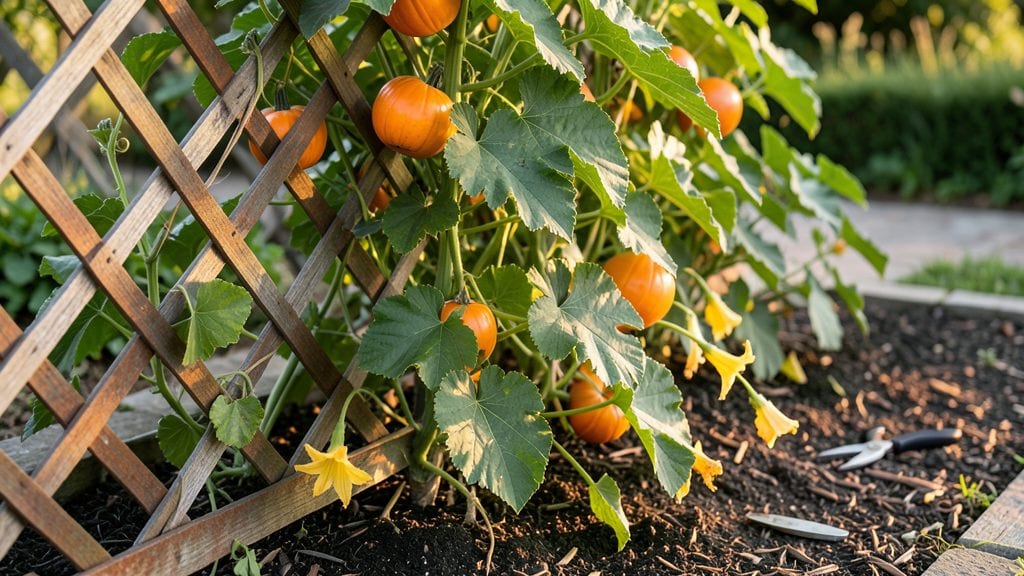
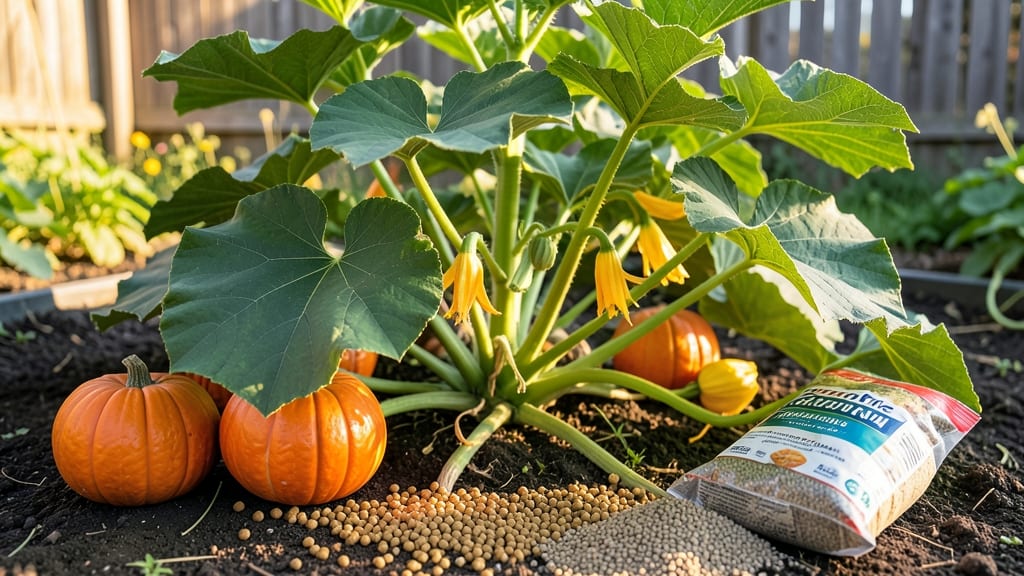
Fertilizing pumpkin plants 🎃 is the secret to turning lush vines into monster-sized fruit —but most gardeners either overdo it or underfeed, leaving them with weak stems or no harvest at all. You’ve probably seen those…
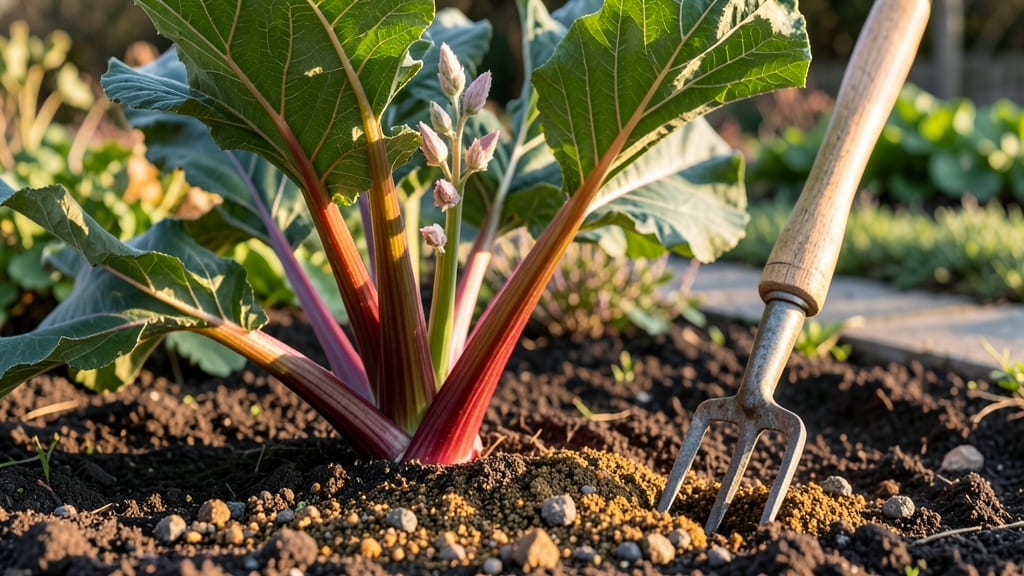
Fertilizing rhubarb plants the right way turns your bland stalks into garden gold 🌱—and it starts with knowing exactly when, what, and how much to feed them. Picture this: you’ve spent all spring watching your rhubarb…
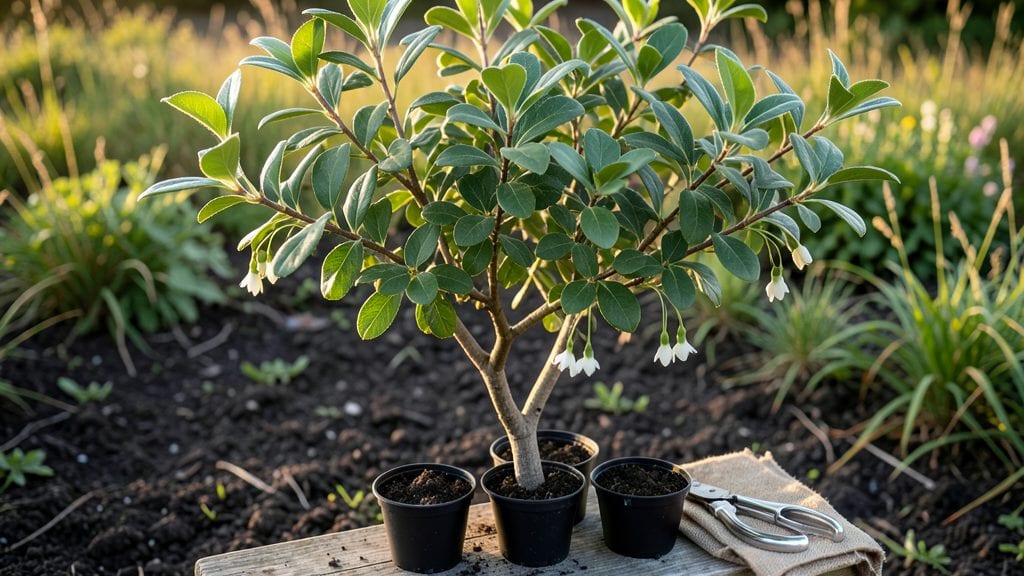
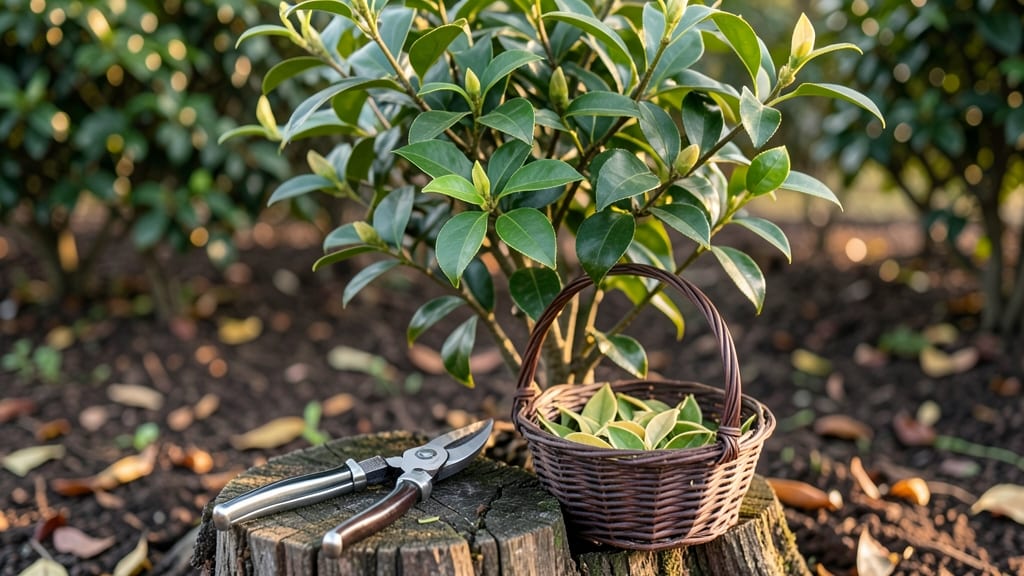
💥 Quick Answer To grow a tea plant successfully, you'll need partial shade, well-draining acidic soil (pH 4.5–5.5), and consistent moisture, with ideal temperatures between 60–80°F. Start from seeds or cuttings…
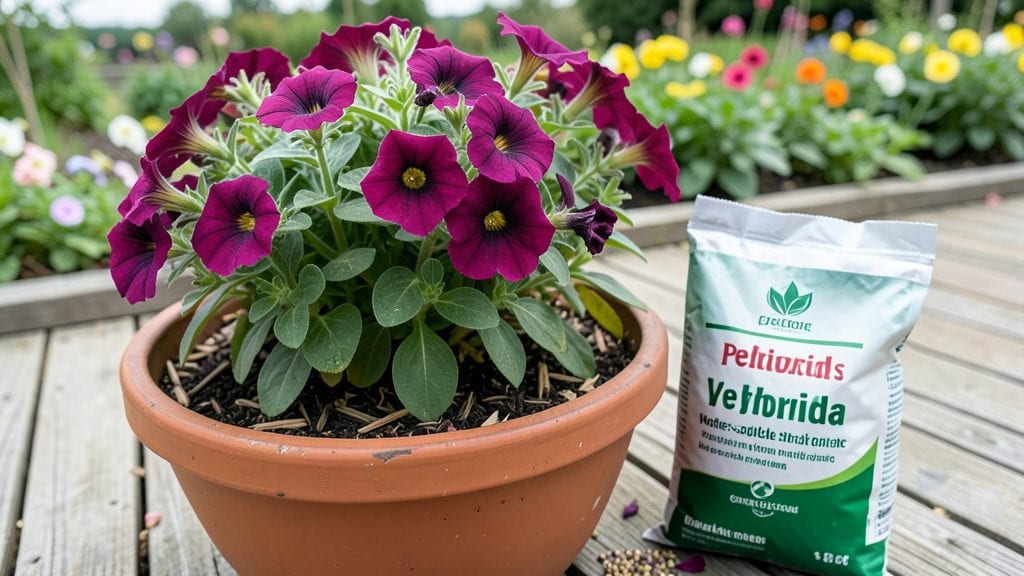
The right petunia plant fertilizer will unlock a cascade of vibrant blooms that keep your garden stealing the spotlight all season long. Struggling to keep your petunias blooming all season long? The right fertilizer can…
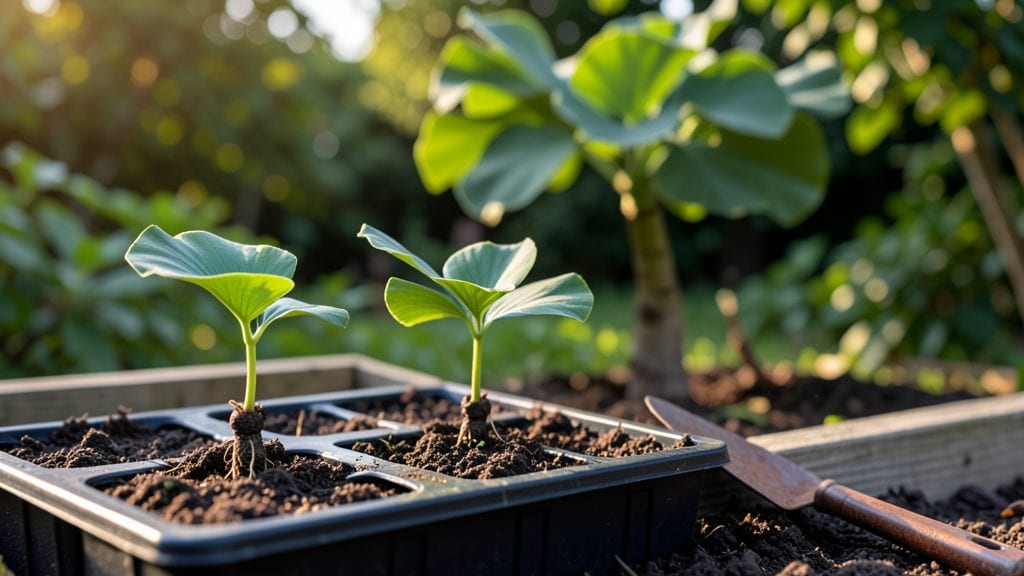
Planting ginkgo seeds is the ultimate test of gardener patience—because these ancient trees take years to mature, but the reward is a living piece of history in your yard. 🌿 I've tried growing them three times, and each…
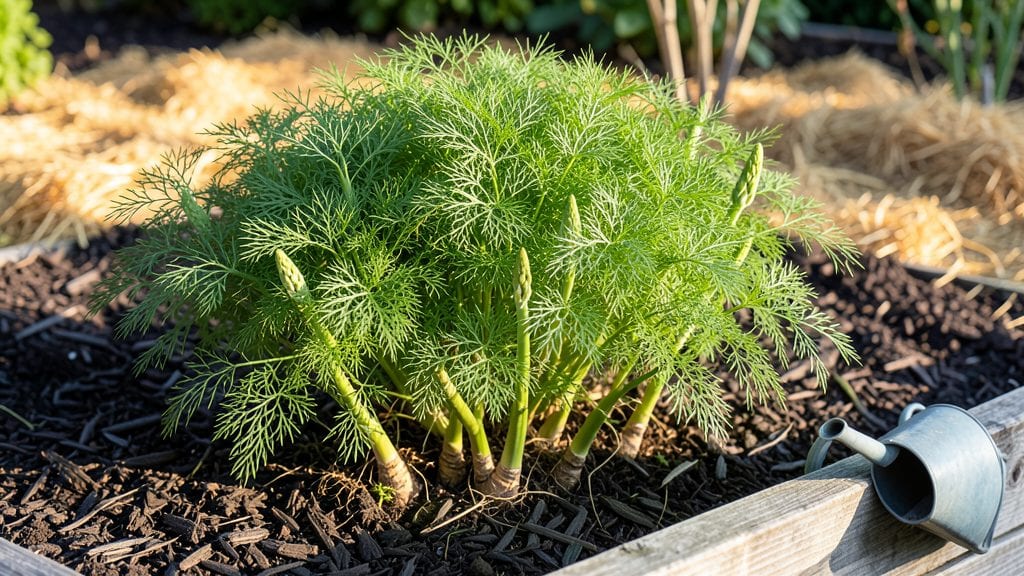
Growing a tall asparagus plant 🌱 means transforming your garden into a lush, harvest-ready patch—if you know the right tricks. If your asparagus spears are struggling to grow tall and sturdy, you’re missing a few key…
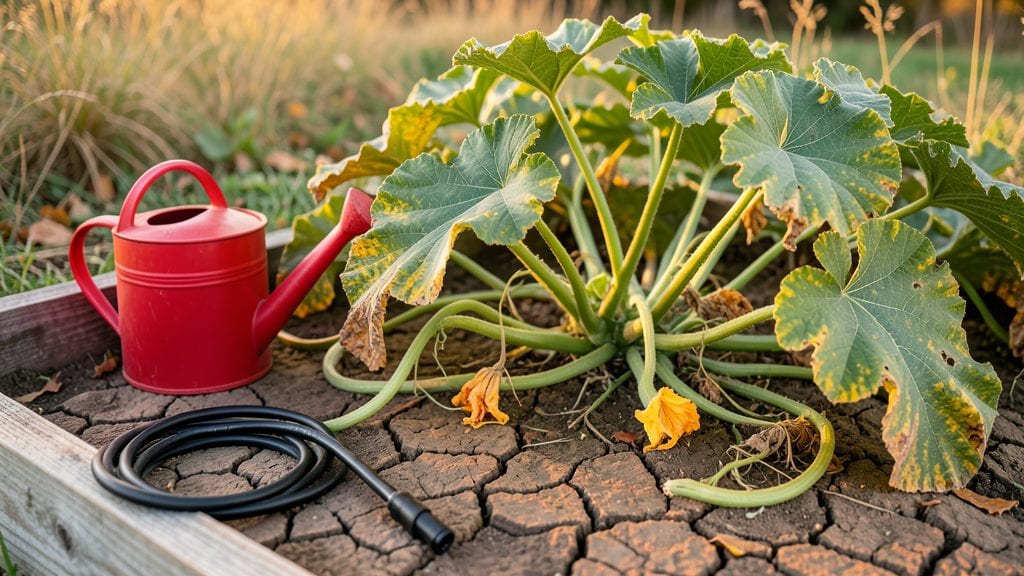
Your pumpkin vines are wilting faster than a summer storm rolls in—this is the underwatered pumpkin plant crisis I’ve fixed more times than I can count. The telltale signs? Leaves curling like parchment, dry soil that…
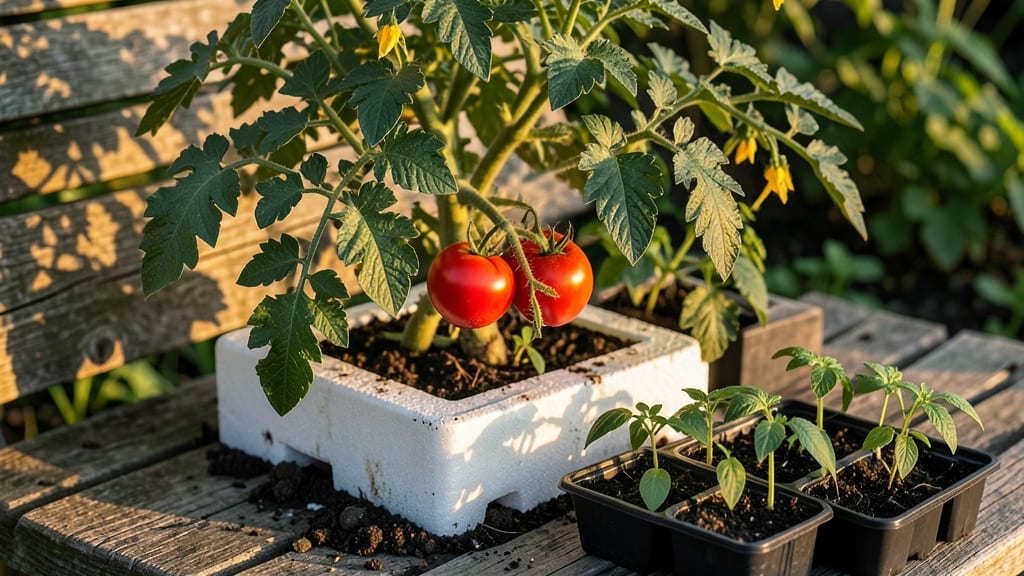
💥 Quick Answer Using styrofoam for planting offers lightweight, moisture-retentive seedling starters that boost germination rates and prevent soil compaction, though its environmental impact and potential chemical risks…
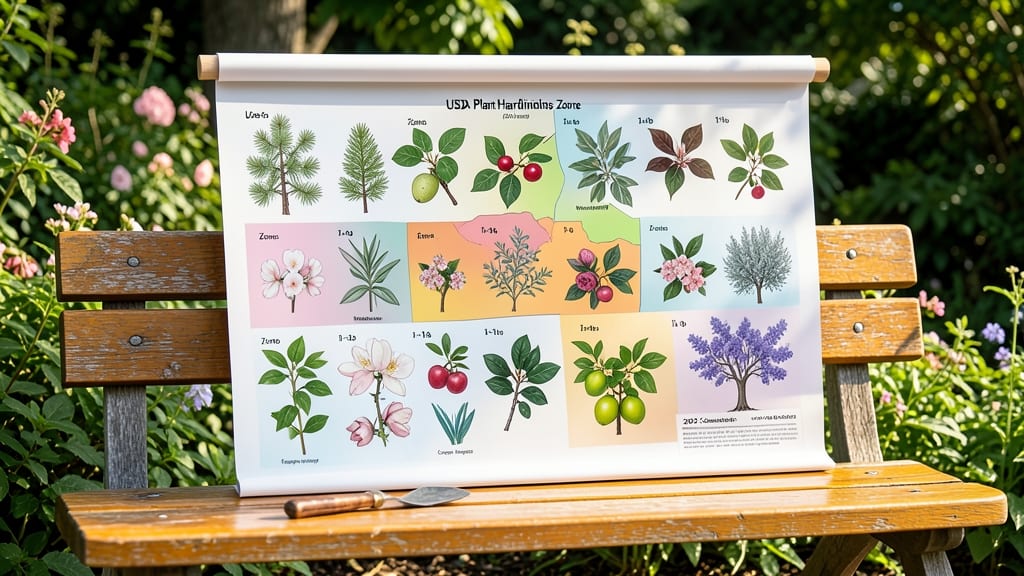
💥 Quick Answer The 2023 USDA planting zones now reflect updated climate data, shifting some regions (like Zones 7b-8a) due to warming trends, helping gardeners select cold-hardy plants with greater precision for optimal…
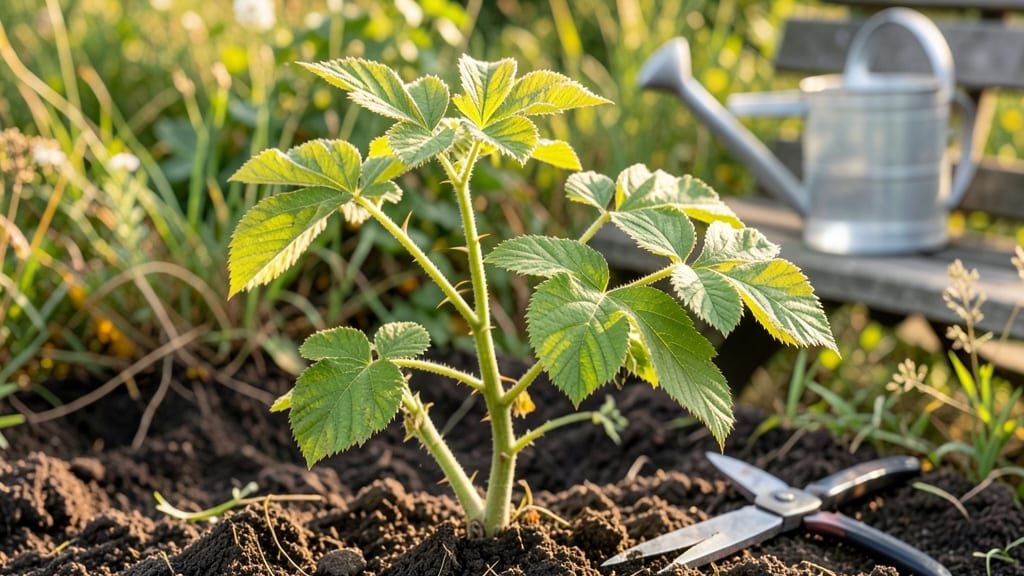
💥 Quick Answer Starting a raspberry plant sprout from seed demands a two-phase process: first, cold stratification for 60-90 days to break seed dormancy, then planting in well-draining soil kept at 60-70°F. Germination…