
Pests
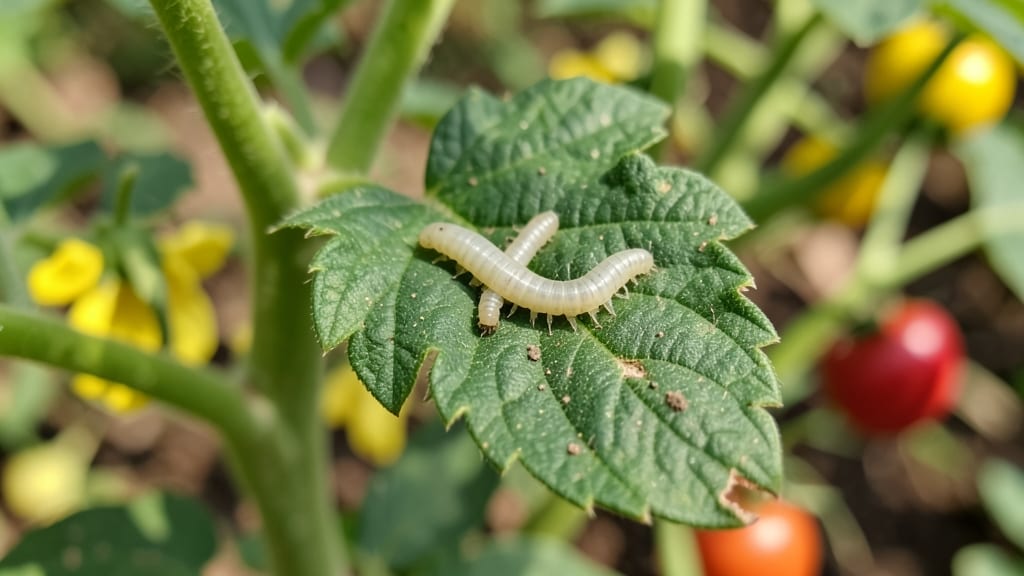
Worms on tomato plant leaves can turn your harvest into a chewed-up mess in days. I’ve lost entire plants to these slimy invaders, but I’ve also learned which organic tricks stop them fast—without harming your tomatoes or the soil.
The key is acting within 24-48 hours before they skeletonize your plants.
Most of these worms are actually hornworms or cutworms, not earthworms—though all leave the same ragged holes. They thrive in warm, humid conditions, so they explode in summer gardens.
My first mistake? Waiting until the damage was obvious. Now I check leaves daily after rain, when worms are most active and hungry.
You’ll see results within hours if you handpick them at dawn (they’re sluggish then) or spray with a soapy water solution. The plants bounce back faster than you’d expect—new leaves fill in within 5-7 days if you remove the pests and boost watering slightly.
The real secret is prevention: row covers and beneficial nematodes keep them away next season.
Works for backyard gardens, containers, or even balcony tomatoes. Here’s how to tackle them without chemicals—once you know the tricks, they’re impossible to ignore when they show up.
Root Causes of Leaf Invaders
When you spot worms on your tomato plant leaves, it’s rarely a random event—these critters are usually drawn by specific conditions in your garden. Understanding why they show up is the first step to stopping them before they cause real damage.
Below, we break down the most common culprits and the science behind their behavior.
Tomato plants under stress are like a buffet sign for pests. When leaves are crowded, air circulation drops, creating a damp, humid microclimate—perfect for worms like hornworms, cutworms, or slugs. Stress can also come from:
- Poor soil nutrition: Nitrogen-deficient plants grow weak and attract pests looking for easy meals. A quick soil test can reveal imbalances.
- Overwatering: Soggy roots and leaves create ideal conditions for slugs and soft-bodied worms. Pro tip: Water at the base, not overhead, to keep foliage dry. 💡
- Disease pressure: Fungal infections (like early blight) weaken plants, making them more vulnerable to worm infestations.
Actionable fix: Prune plants for better airflow, mulch with straw (not thick layers), and fertilize with a balanced organic mix (e.g., compost or fish emulsion).
Worms don’t just appear out of nowhere—they’re often lured by your tomato plants’ irresistible scent and taste. Many species, like tomato fruitworms, are specialized feeders that target nightshades (tomatoes, peppers, eggplants). Even nearby weeds or volunteer plants (like wild tomatoes or black nightshade) can act as a pest magnet.
Other garden plants that invite worms include:
- Basil (a favorite for hornworms)
- Dill or fennel (attracts parasitic wasps that lay eggs in tomato pests)
- Marigolds (can repel some pests but may also draw others like slugs)
Actionable fix: Remove weeds and volunteer plants within a 10-foot radius. Interplant tomatoes with repellent companions like:
- Borage (deters hornworms)
- Nasturtiums (confuses pests with their strong scent)
- Garlic or onions (natural deterrents)
Many leaf-dwelling worms, such as cutworms or slugs, are nocturnal and thrive in dark, humid conditions. They seek out:
- Damp mulch: Thick organic mulch (like grass clippings) holds moisture and provides hiding spots.
- Low-lying leaves: Worms like to crawl under large, drooping leaves where they’re protected from predators (like birds or ladybugs).
- Shady spots: Areas with poor sunlight encourage fungal growth, which worms may feed on or use as camouflage.
Actionable fix:
- Use straw or wood chips for mulch (they dry faster than grass clippings).
- Prune plants to raise the canopy and improve sunlight penetration.
- Set up beer traps for slugs (bury a shallow dish filled with beer—slugs crawl in and drown).
In a healthy garden, worms are kept in check by natural predators like birds, lacewings, or parasitic wasps. But if these predators are missing—due to pesticide use, habitat loss, or over-tidy gardening—the worm population can explode.
Common disruptors include:
- Broad-spectrum pesticides: These kill both pests and beneficial insects, leaving worms unchecked.
- Lack of diversity: Monoculture gardens (rows of only tomatoes) offer fewer hiding spots for predator insects.
- Artificial lighting: Outdoor lights at night attract moths (which lay eggs that hatch into worms), but repel their natural predators.
Actionable fix:
- Avoid chemical pesticides—opt for neem oil or Bt (Bacillus thuringiensis), which target worms without harming predators.
- Add pollinator-friendly plants (like alyssum or dill) to attract beneficial insects.
- Install predator houses (e.g., bird boxes or toad abodes) to encourage natural pest control.
By addressing these root causes, you’re not just treating the symptoms—you’re making your garden less inviting to worms in the first place. The key? Balance—healthy plants, diverse ecosystems, and smart watering habits.
Quick Fixes for Wormy Tomato Leaves
Spotting worms on your tomato plant leaves can feel like a nightmare, but don’t panic—there are effective, organic solutions to tackle the problem without harsh chemicals. The key is identifying the type of worm and acting fast to protect your plants.
Below, we’ve broken down the best fixes based on the most common culprits, plus prevention tips to keep your tomatoes thriving. Let’s get your garden back in shape!
Hornworms (green or brown with white stripes) are voracious eaters that can devour entire leaves overnight. Here’s how to remove and prevent them:
🔥 Immediate Removal
- Handpick them! 👨🍳🐛 Check leaves (especially the undersides) in the early morning or evening when they’re sluggish. Drop them into soapy water to kill them instantly.
- Neem oil spray 🌿: Mix 1 tbsp neem oil, 1 tsp mild liquid soap, and 1 quart of water. Spray directly on worms and leaves (repeat every 5–7 days).
- Bacillus thuringiensis (Bt) 💊: A natural bacteria that targets caterpillars. Spritz on leaves as a preventive measure.
🌱 Prevention Tips
- Attract predators: Ladybugs, lacewings, and parasitic wasps love hornworms. Plant dill, fennel, or marigolds nearby to lure them in.
- Rotate crops: Avoid planting tomatoes in the same spot yearly to disrupt hornworm life cycles.
- Use row covers: Lightweight fabric barriers can block egg-laying moths before they hatch.
These tiny pests cluster on leaves, sucking sap and leaving behind sticky residue (aphids) or webbing (mites). They weaken plants and attract other pests.
🍳 Organic Treatments
- Soap spray 🧼: Combine 1 tbsp castile soap or insecticidal soap with 1 quart of water. Spray thoroughly on all leaf surfaces, including undersides.
- Horticultural oil ⛽: Apply in the evening to smother mites (avoid if temps are above 90°F).
- Companion plants 🌸: Plant garlic, chives, or basil near tomatoes—their strong scents repel aphids.
🔥 Prevention Tips
- Inspect new plants: Quarantine any new additions to your garden for a week to spot hitchhiking pests.
- Encourage beneficial insects: Install a bee bath or plant calendula to attract predatory insects.
- Prune regularly: Remove yellowing or heavily infested leaves to reduce hiding spots.
Cutworms hide in the soil and slice tomato stems at ground level, causing plants to topple. They’re sneaky but manageable!
🔪 Traps & Barriers
- Collar stems 🛡️: Wrap the base of young tomato plants with cardboard or aluminum foil (6 inches tall) to block cutworms.
- Grow lights at night 💡: Place a small light near the garden—cutworms dislike light and will stay hidden.
- Beer traps 🍺: Bury a shallow container filled with beer near plants. The worms crawl in and drown.
🌡️ Prevention Tips
- Remove garden debris: Cutworms love hiding in old plant matter—keep your garden tidy.
- Plant trap crops: Use lettuce or cabbage as a distraction; cutworms will go for these instead.
- Handpick at dusk: Shine a flashlight on the soil after dark—cutworms will reveal themselves!
These pests leave silver trails and irregular holes on leaves. They’re most active at night and in damp conditions.
💡 Nighttime Solutions
- Beer traps 🍺 (again!): Bury a shallow dish filled with beer near plants. Slugs are drawn to it and drown.
- Diatomaceous earth 🌋: Sprinkle food-grade DE around the base of plants. It’s harmless to humans but dehydrates slugs.
- Copper barriers ⚡: Place copper tape around pots or garden beds—slugs get a mild electric shock when they touch it.
✨ Prevention Tips
- Water in the morning: Slugs thrive in damp conditions. Avoid evening watering.
- Crushed eggshells or gravel: Create a barrier around plants to deter slugs from crawling up.
- Duck or chicken patrol 🦆: If you have poultry, let them roam the garden—they’ll happily snack on slugs!
No matter the worm, keeping your garden healthy is the best long-term defense:
- Rotate crops yearly to disrupt pest life cycles.
- Mulch wisely: Use straw or grass clippings (avoid thick layers that trap moisture and encourage slugs).
- Inspect regularly: Check leaves, stems, and soil weekly for early signs of trouble.
With these organic, practical fixes, you’ll have your tomato plants back in top shape in no time. Remember: Act fast, stay consistent, and let nature’s helpers do the heavy lifting! 🌱💪
Frequently asked questions
Are the worms on my tomato leaves harmful to eat?
Most worms on tomato leaves—like hornworms or cutworms—are not safe to eat. They can carry parasites or bacteria from the soil. Even if they’re organic, they’re not a food source. Focus on removing them to protect your plants, not harvesting them.
How do I tell if the worms are hornworms vs. cutworms?
Hornworms are large (2-4 inches), green or brown with white stripes, and feed on leaves. Cutworms are smaller (1-2 inches), gray/brown, and hide in soil, cutting stems at ground level. Check leaf damage: hornworms leave ragged holes, while cutworms topple plants.
Will neem oil kill tomato plants if I use too much?
Neem oil is safe when used correctly, but never apply it in direct sunlight or extreme heat (above 90°F). Stick to 1 tablespoon per quart of water and spray in the early morning or evening. Always test a small leaf first to check for sensitivity.
Can I use coffee grounds to repel these worms?
Coffee grounds can help deter slugs and some worms when sprinkled around plants, but they’re not a cure-all. The caffeine acts as a mild repellent, but worms like hornworms won’t be affected. For best results, combine with diatomaceous earth or beer traps for slugs.
How long does it take for tomato plants to recover after worm damage?
With immediate action (removing pests + proper care), tomato plants can recover in 5-7 days. New leaves will fill in quickly if the roots are healthy. Prune damaged foliage, increase watering slightly, and avoid fertilizing until the plant stabilizes. Severe cases may need 2-3 weeks for full recovery.